A Continuous Decline, Confirmed by Official Data
The decline in marriage in Morocco is part of a longstanding trend documented for over a decade. Statistics show that in the mid-2000s, the country recorded over 300,000 unions per year. By 2022, this figure had fallen to around 251,000 marriages, dropping to below 200,000 in 2020 due to the pandemic.
This retreat can no longer be interpreted as a mere fluctuation. It reflects a lasting transformation in social behaviors, confirmed by analyses from the High Planning Commission, which now refers to a true transition in family models.
Singlehood Becoming Permanent
Even more significant than the decline in marriages is the rise of long-term singlehood, which is one of the strongest indicators of this evolution. Over ten years, definitive singlehood has risen from about 6% to over 9% of the adult population. Among women, this proportion now exceeds 11%, with a marked concentration in urban areas.
This progression indicates a shift: marriage is no longer a systematic step in the life course. It has become an option among others, sometimes postponed, sometimes abandoned.
An Institution Weakened by Rising Divorces
At the same time, the stability of marriage itself is being questioned. The number of divorces has seen a continuous increase, rising from just over 44,000 cases in 2014 to more than 65,000 in 2024.
Beyond absolute growth, what is striking is the ratio between marriages and separations. Some estimates suggest that the number of separations could equal more than half the number of unions recorded in a year. While this does not mechanically imply that one in two marriages fails, this ratio nonetheless illustrates a real weakening of the marital bond.
Moreover, divorce has become more accessible and less stigmatized, particularly due to the prevalence of amicable procedures, which now account for the overwhelming majority of cases.
The Economy: A Key but Not Exclusive Factor
The economic dimension remains central to understanding this phenomenon. The cost of marrying, including housing, ceremonies, and settling down, poses a major barrier for a large part of Moroccan youth.
In a context marked by persistent youth unemployment and increasing pressure on purchasing power, marriage is increasingly viewed as a heavy financial commitment, difficult to bear without prior stability.
However, reducing the phenomenon to a mere economic constraint would be insufficient. The observed transformations also touch upon social representations of couples and families.
A Gradual Redefinition of Social Norms
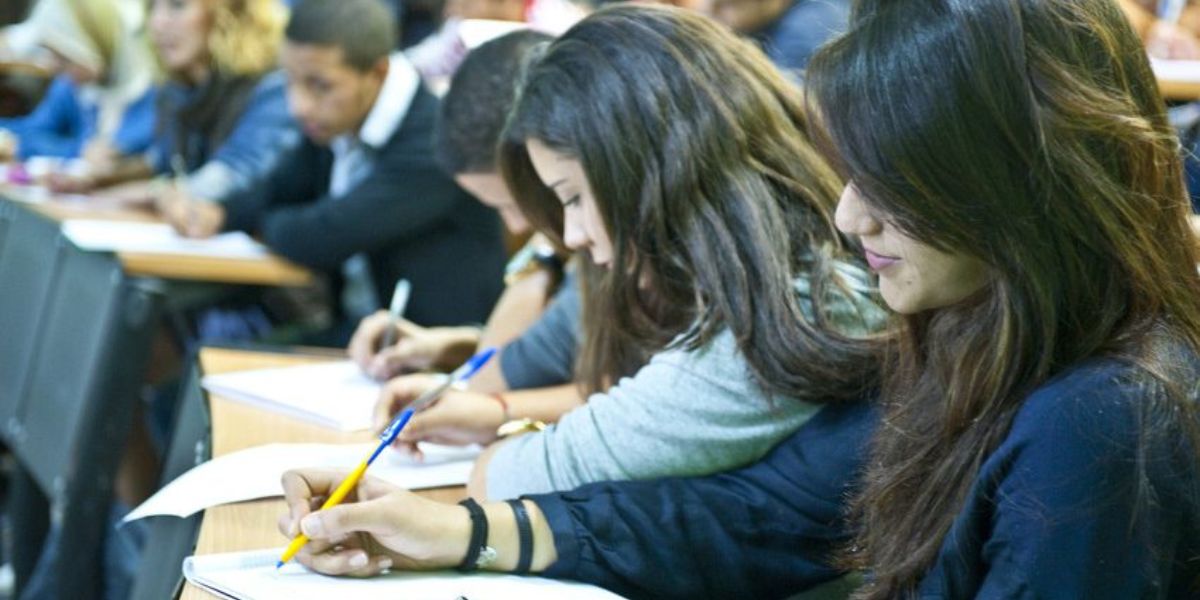
Demographic data fit into a broader movement of individualization of trajectories. Lengthening education, late entry into the job market, and changes in the role of women are helping to redefine priorities.
Women, in particular, play a central role in this transformation. The rise in education levels, gradual access to employment, and the increasing number of female heads of households reflect greater autonomy. This evolution alters traditional marriage dynamics and partner expectations.
At the same time, exposure to new models through social media and urban transformations contributes to relativizing the obligatory nature of marriage.
A Change in Model Rather Than a Rejection
The phrase that "one in two Moroccans no longer wants to marry" is more of a media shortcut than a strict statistical reality. The data does not show a massive rejection of marriage but rather a transformation of its role in society.
Marriage is declining, being postponed, and becoming more selective. It is now a choice conditioned by more demanding economic, emotional, and social criteria than before.
Conclusion
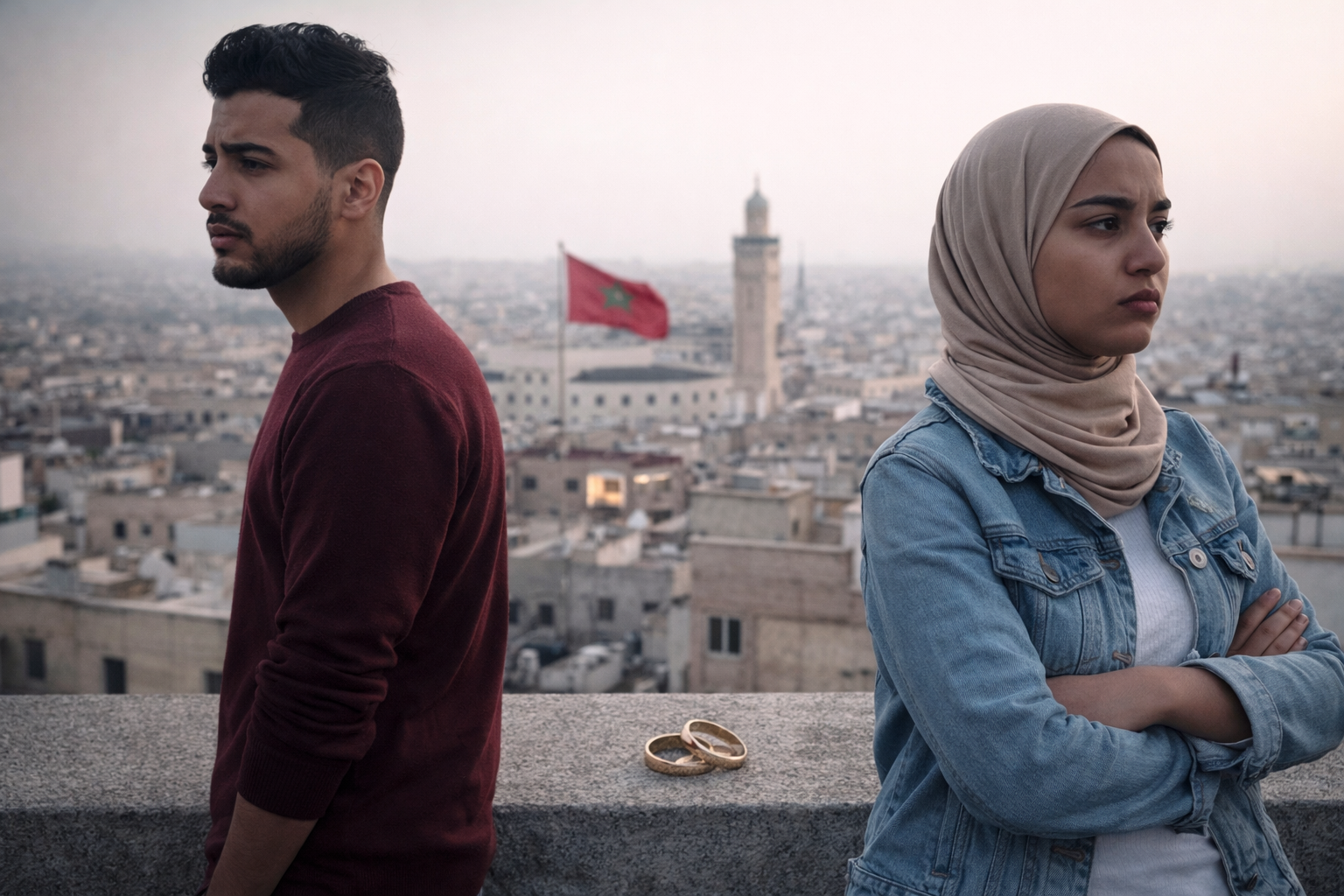
Morocco is not witnessing the disappearance of marriage but its redefinition. The figures from the HCP and the judicial system converge towards a clear observation: the traditional family model is evolving under the combined effects of economic constraints and societal changes.
This ongoing transition is shaping a society in which marriage ceases to be a universal norm, instead becoming one option among others, reflective of the new aspirations of a generation seeking a balance between stability and autonomy.