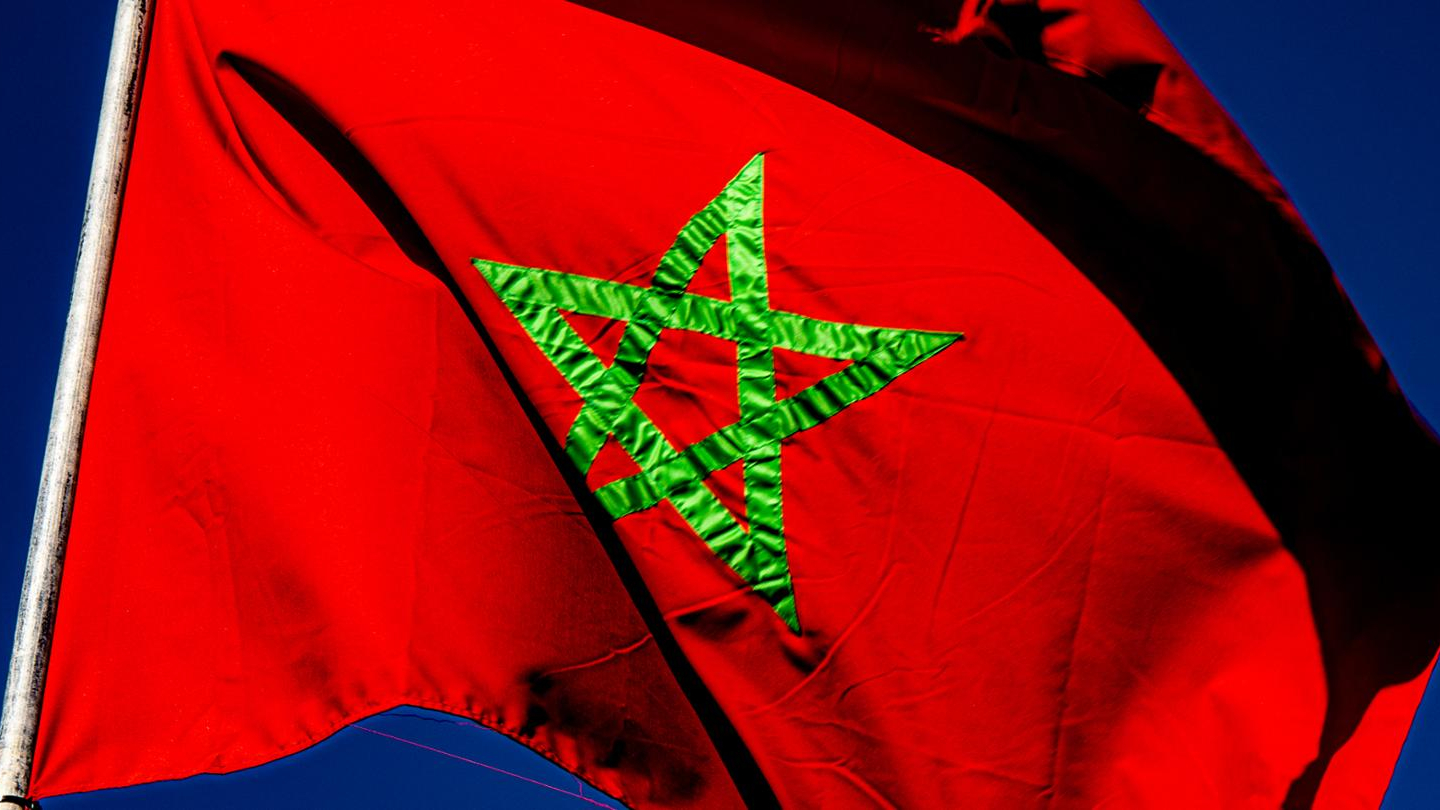
November 18 remains one of the most significant dates in the Moroccan national narrative. This day, now a symbol of pride and sovereignty, recalls a decisive episode in the Kingdom's history: the return from exile of His Majesty Mohammed V in 1955, welcomed by a people who saw in him the embodiment of historical legitimacy and the face of resistance. This moment is not merely a memory; it constitutes the turning point of a long collective struggle that led to the end of the protectorate and the reconstruction of a modern, independent, and unified state.
Independence Day invites a revisit of a century of struggles, commitments, and sacrifices. From the early years of the protectorate, Moroccan resistance organized itself in various forms, sometimes armed, sometimes intellectual, yet always guided by the same goal: to preserve the nation's identity and defend its territorial unity. The national movement, structured around political figures, religious scholars, merchants, local dignitaries, and young activists, gradually fostered a collective consciousness, transforming the question of independence into a project shared by all segments of society.
When Mohammed V was forced into exile in 1953, it was a shock for the Moroccan people. Far from weakening the resistance, this event strengthened it and further united the nation around its legitimate sovereign. Uprisings, strikes, petitions, and various forms of civil disobedience multiplied throughout the Kingdom. The plains, mountains, medinas, and countryside echoed the same voice: that of a people determined to reject injustice and dispossession. The King's exile became the catalyst for a historic momentum that gradually forced colonial powers to reconsider their stance.
The triumphant return of Mohammed V on November 16, 1955, marks the beginning of a new era. As he stepped off the plane, his words remain etched in the national memory: "We return today to the free homeland and embark on the path of freedom and unity." These words, spoken in a charged atmosphere, seal the reconciliation between a people and its history and announce the imminent end of the protectorate. A few months later, in March 1956, independence is officially proclaimed, and Morocco begins a large-scale reconstruction process.
This day of November 18 is not limited to a celebration of the past. It also carries a powerful message for the present and future. Contemporary Morocco is the direct heir of this period of renewal. Institutions have been strengthened, the state has modernized, infrastructures have developed, and Moroccan diplomacy has gained prominence. Through a strategic vision rooted in monarchical continuity, the country has managed to maintain its stability in a turbulent regional environment, while progressively asserting its political, economic, and cultural weight.
Independence Day also reminds us of the need to defend territorial unity, preserve social cohesion, and strengthen national identity in all its components. It celebrates a plural Morocco, rooted in its Amazigh history, in its Arab-Muslim heritage, and open to Africa, the Mediterranean, and the world. It is this unique combination that has allowed the Kingdom to navigate the upheavals of the past century and to affirm itself as a resilient, stable country looking toward the future.
Every November 18, Moroccans honor not only the events of 1955 and 1956 but also the very idea of national continuity. It is the conviction that independence is not a fixed achievement but a collective responsibility passed down from generation to generation. It is also the certainty that a people united around its history and symbols can face the most complex challenges and continue to build an ambitious, sovereign Morocco faithful to its deep identity.