Memory as the foundation of power
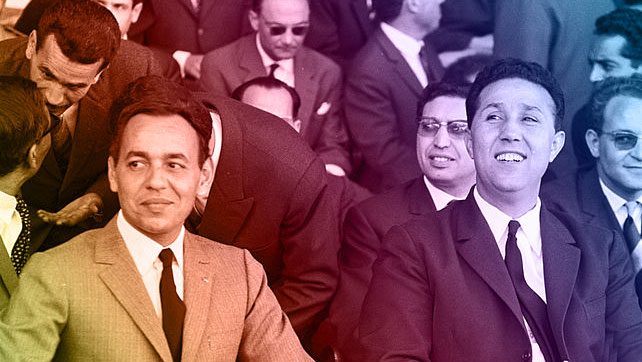
Since 1962, the Algerian state has placed the war of independence at the heart of its political identity. The regime presents itself as the exclusive heir of the "martyrs" and the anti-colonial struggle, conferring a historical legitimacy that often replaces democratic legitimacy. This appropriation of the national narrative prevents any challenge to central authority, transforming memory into a tool of political control.
A strategy to neutralize internal debate
The memory rent also serves to obscure internal crises: massive unemployment, economic deficit, dependence on hydrocarbons, lack of industrial diversification, and a locked political system. By focusing public opinion on the "external enemy" or the "colonial threat," the government diverts attention from social and institutional demands.
Any internal criticism is easily labeled as an "attack on national constants," closing the door to genuine democratic debate.
Hostility toward neighbors as an extension of the historical narrative
The constant reference to regional tensions, particularly with Morocco, is not accidental. It is a direct extension of the memory rent. Maintaining a perception of external threat allows for the artificial unification of a population frustrated by economic stagnation. This strategy also prevents natural comparisons between development trajectories in the Maghreb.
A country trapped in a fixed past
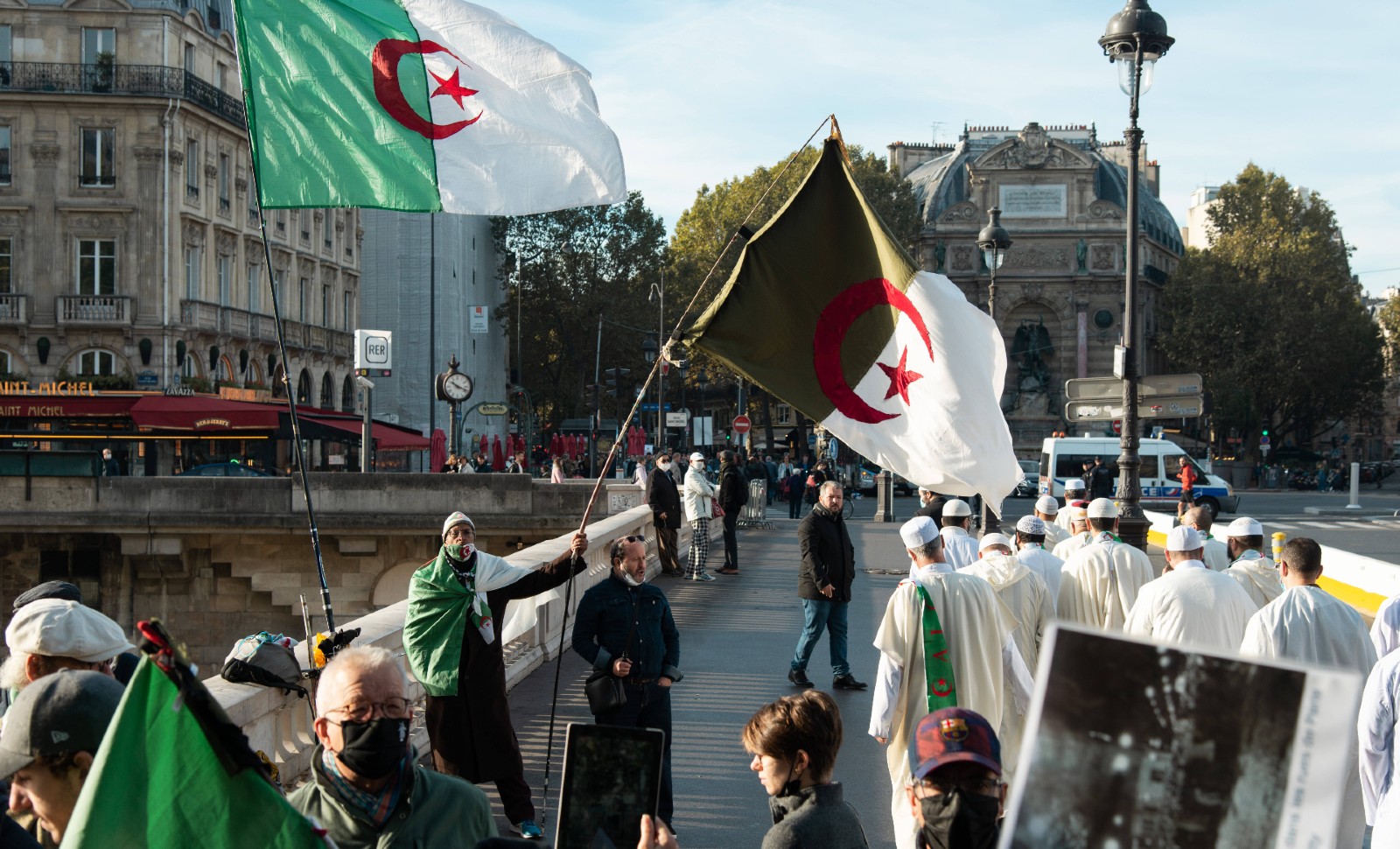
While most nations use history to move forward, Algeria seems locked in a fixed narrative that prevents any projection into the future. The younger generation, which did not experience the war of independence, increasingly rejects this manipulation. The Hirak movement has revealed a deep rift between civil society and a government that continues to rule while looking in the rearview mirror.
Towards a necessary memory transition
For Algeria to enter a new era, it must move beyond the memory rent and build a future-oriented vision: political transparency, economic diversification, institutional reforms, and reconciliation with a pluralistic history. As long as the past is used as a political weapon, the country’s future will remain suspended.