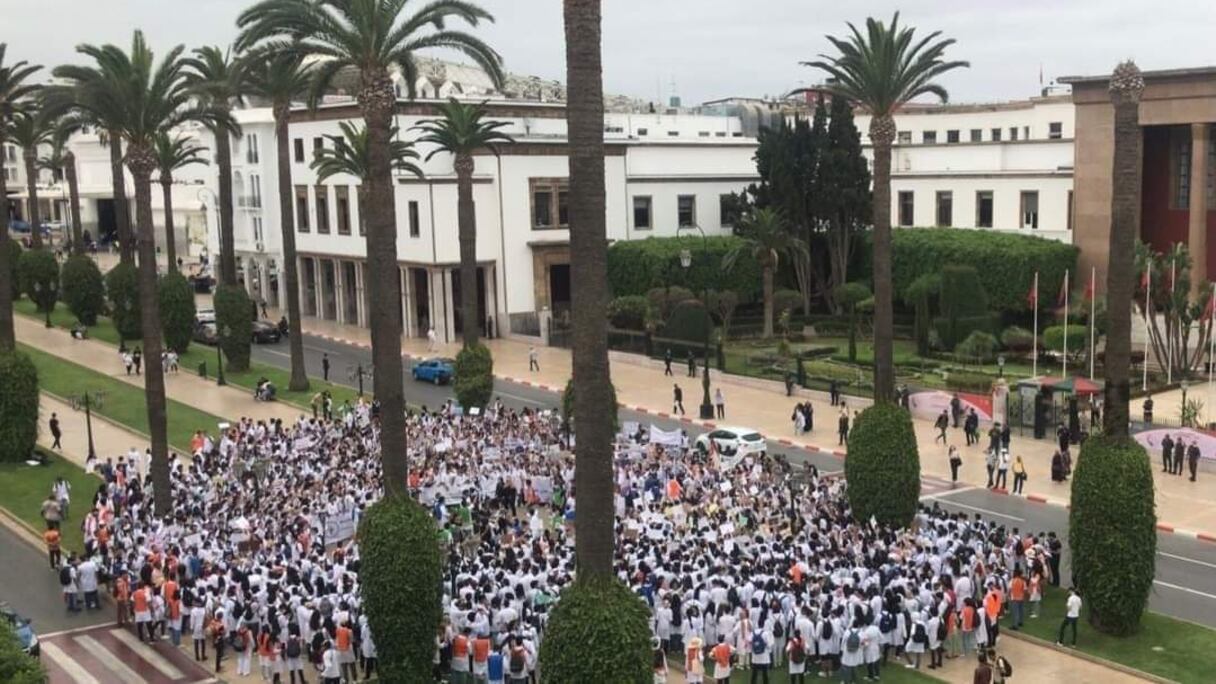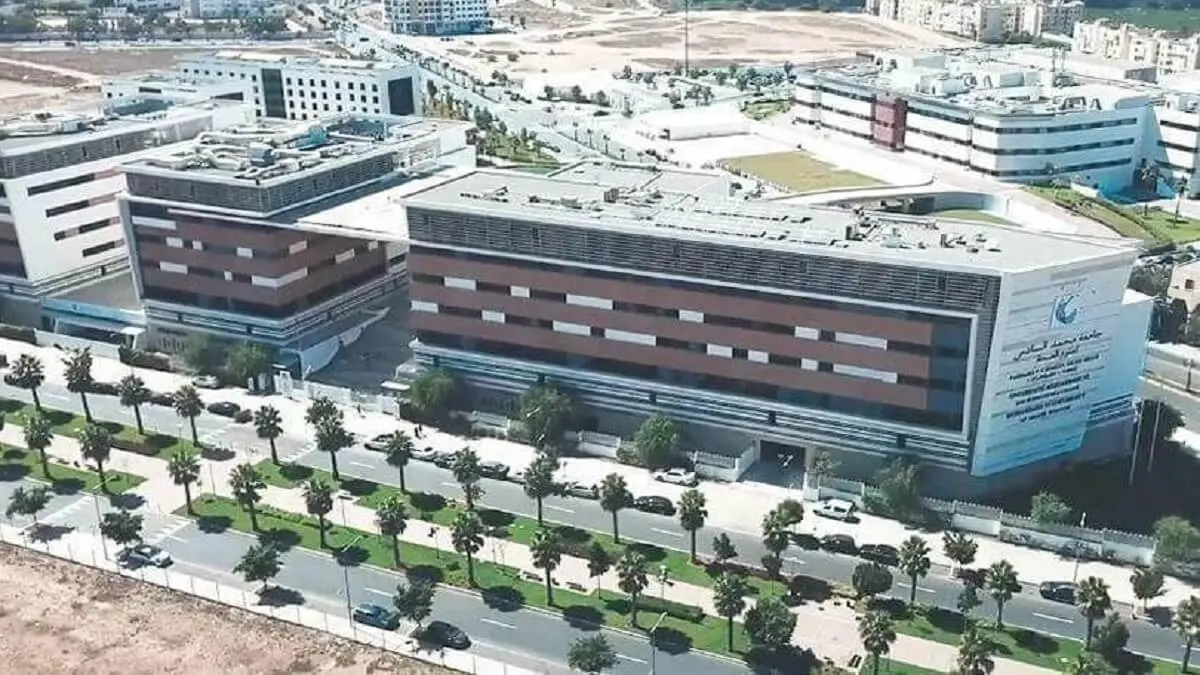
The Moroccan university system is under demographic pressure. For the 2024-2025 academic year alone, higher education institutions are welcoming nearly 344,679 new students, bringing the total number of students to approximately 1.3 million. Over 90% of these enrollments are in the public sector, placing Moroccan universities in a double challenge: to accommodate the influx and improve the quality of education in a rapidly expanding context.
This increase is part of the National Plan to Accelerate the Transformation of the Higher Education, Scientific Research, and Innovation Ecosystem, known as PACTE ESRI 2030. For the 2024-2025 academic year, the ministry has framed the reform under the triad of 'Excellence, Digitization, Empowerment', completing the implementation of the new educational model and expanding the offerings to approximately 4,000 accredited programs, nearly 3,000 of which are in the public sector.
This transformation primarily involves infrastructure. Before Parliament, the Prime Minister announced that 220 university sites and campuses have been connected to next-generation high-speed internet via WiFi6. Simultaneously, digital educational content is being gradually rolled out on the Moodle platform across all public universities, allowing for the hosting of courses, TD materials, online assessments, and supplementary resources for students.
The digital initiative is not limited to networks and platforms. The ministry is also focusing on new training spaces with the launch of 'CODE212' centers, specializing in digital and technological skills. These centers offer intensive modules in programming, data, cybersecurity, and digital design, aiming to bridge the gap between university profiles and real market needs. They complement existing innovation hubs, with the government planning to establish three new structures in Casablanca, Kénitra, and Meknès, in addition to six already operational. The total investment amounts to over 296 million dirhams, supplemented by a technology transfer program covering about ten projects with a budget of approximately 60 million dirhams.
At the core of this initiative is a central component: the MyMoroccanUniv app. Launched for the 2024-2025 academic year, this national platform aims to serve as the unique digital interface between students, administrations, and faculty. Available on mobile, it consolidates access to support courses, language training, orientation services, management of certificate requests, and administrative information. The ministry presents it as an application designed to personalize students' journeys and streamline their relationship with the university.
Financially, this modernization is supported by a continuous increase in funding for higher education. The sector's budget is expected to reach nearly 17.3 billion dirhams in the coming years, with the creation of over 1,700 new budgetary positions. These additional resources are to prioritize consolidating educational reform, strengthening the teaching staff, and supporting digital and scientific investments related to PACTE ESRI 2030.
However, this acceleration does not resolve all the issues of a university system grappling with overcrowded lecture halls, saturated programs, and varied employability across disciplines. But the direction is clear: to make digital technology a lever for democratizing access to resources, modernizing teaching methods, and enhancing students' skills. The crucial test will be the universities' ability to translate these tools into genuine academic quality gains and better job prospects for a generation that is predominantly joining higher education.