A Connected Youth, Raw Energy
With over 17 million active players, Morocco is one of the most dynamic markets on the African continent. Young people aged 15 to 35, highly connected, spend an average of three hours a day on mobile, console, or PC.
For many, video games are no longer just entertainment: they are a language, a culture, and sometimes a professional dream.
From this excitement, several independent studios have emerged, such as The Wall Games, Mosaic Studio and Kawkab Creative, which produce games inspired by Moroccan history and culture — from the medina of Fez to the dunes of Merzouga.
Their ambition: to prove that Africa can also create exportable digital worlds, far from exotic clichés.
The Emergence of an Ecosystem
The year 2025 marks a turning point: the Morocco Gaming Expo in Rabat brought together hundreds of creators, investors, and public officials.
The fair highlighted the rise of specialized training (ENSA, Art’Com Sup, HEM) and the Ministry of Youth and Culture's commitment to structuring the sector around a national gaming plan.
Regional hubs are emerging in Rabat, Casablanca, and Tangier, combining co-working spaces, incubators, and design schools. Morocco also benefits from support from the World Bank, which funds several programs to assist young digital entrepreneurs.
The stated objective: to make video games a new driver of skilled employment, capable of attracting talent from the diaspora and generating export revenues.
A Still Fragile Market

Despite this momentum, many obstacles remain.
Moroccan studios struggle to find seed funding and distribution partners. Most survive through subcontracting contracts with foreign studios.
Publishing, meaning bringing games to market, is still dominated by international players who set their own terms.Another challenge: a lack of legal and fiscal recognition
of the sector. Many studios operate under a generic status as communication agencies or digital services, complicating access to public aid and copyright rights.“We have the ideas, the talent, and the passion, but we lack the structure and visibility,” explains a young developer met at the Morocco Gaming Expo.Local Culture as a Global Leverage
Moroccan creators are betting on a unique asset: their
cultural heritage
Games like Atlas Quest.
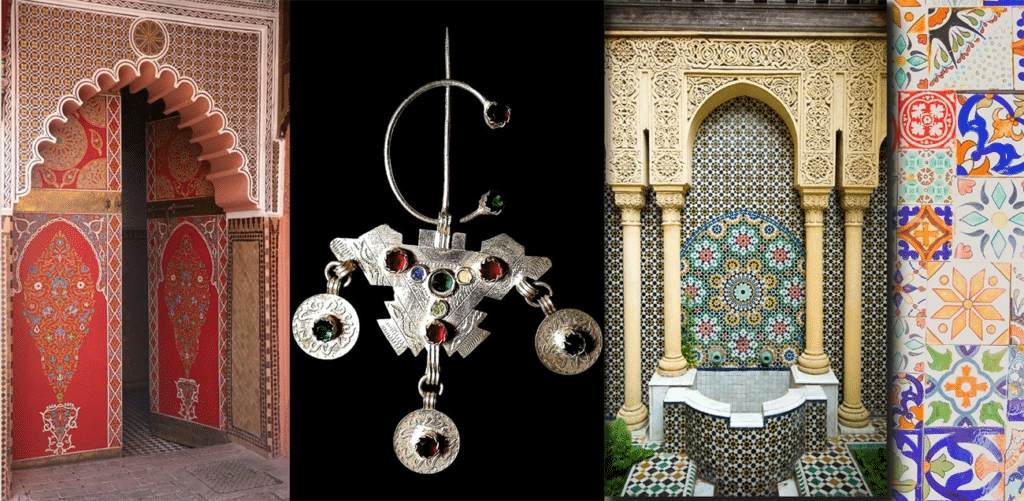
and Marrakech Run blend Amazigh tales, Saharan mythology, and artisanal aesthetics. These local productions attract the attention of international platforms eager to explore new African imaginations.In the long term, Morocco could establish itself as a trans-Mediterranean cultural hub
, at the crossroads of Africa, the Arab world, and Europe.But this requires protecting intellectual property
, investing in artistic training and encouraging research in interactive storytelling.Towards a Public Policy for Video GamesThe government now seems aware of the economic potential of gaming..
The Ministry of Culture is preparing a
digital cultural enterprise status
, while the Ministry of Higher Education is working on establishing a national Master's program in video game designSeveral regions are also considering integrating video games into their local economic development strategy, through dedicated technological zones.
and regional incubators.The challenge is no longer just to create, but to produce and export..
A Future Between Pixels and PerspectivesIf Morocco succeeds in structuring its ecosystem, providing access to funding, and solidifying intellectual property, it could become a .
major player in the African and Arab gaming industry
The sector could generate over 1.5 billion dirhams in revenue.
by 2030, while creating thousands of direct jobs.But beyond the numbers, it’s a question of image: showing that a young Moroccan can transition from player to creator, from consumer to innovator.The next heroes of Moroccan tech may not wear white coats... but rather wield controllers and ideas.
Sources:
AP News – July 3, 2025
Yahoo News – July 5, 2025
Morocco Gaming Expo – official statement 2025
Le Desk – October 10, 2025
.
.