Belgian Support: A Strategic Step for Rabat
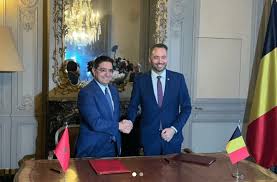
In a joint statement released on October 23, 2025, Belgium officially expressed its support for the Moroccan autonomy plan for the Sahara. Brussels thus joins the long list of European and African countries that support Rabat's vision—including Spain, France, Germany, and the Netherlands.
This recognition, the result of a deep diplomatic effort, confirms the evolution of the European discourse: the referendum for self-determination is no longer mentioned, and the political solution described as “realistic, pragmatic, and sustainable”—according to UN terminology—has become the reference.
A Victory for Moroccan Diplomacy
For Morocco, this support symbolizes the consolidation of international consensus around its position.
Morocco's strategy, based on economic diplomacy, massive investments in the southern provinces, and the opening of over 30 consulates in Dakhla and Laâyoune, is bearing fruit.
The Kingdom's approach combines local development and international cooperation, transforming the Sahara into a true magnet for African and European investors.
Regional and Geopolitical Implications
Belgium's alignment further isolates the Polisario Front and its supporters. Algeria, the main ally of the separatist movement, finds itself in a delicate diplomatic position as major Western powers seem to align themselves with the Moroccan viewpoint.
This development occurs in a context where the Maghreb is called to play a key role in the stability of the Sahel and in Euro-African energy security.
Morocco thus establishes itself as a pivot actor in the new regional balance.
Towards a Definitive Shift?
The challenge for Rabat now is to embed this dynamic in the long term.
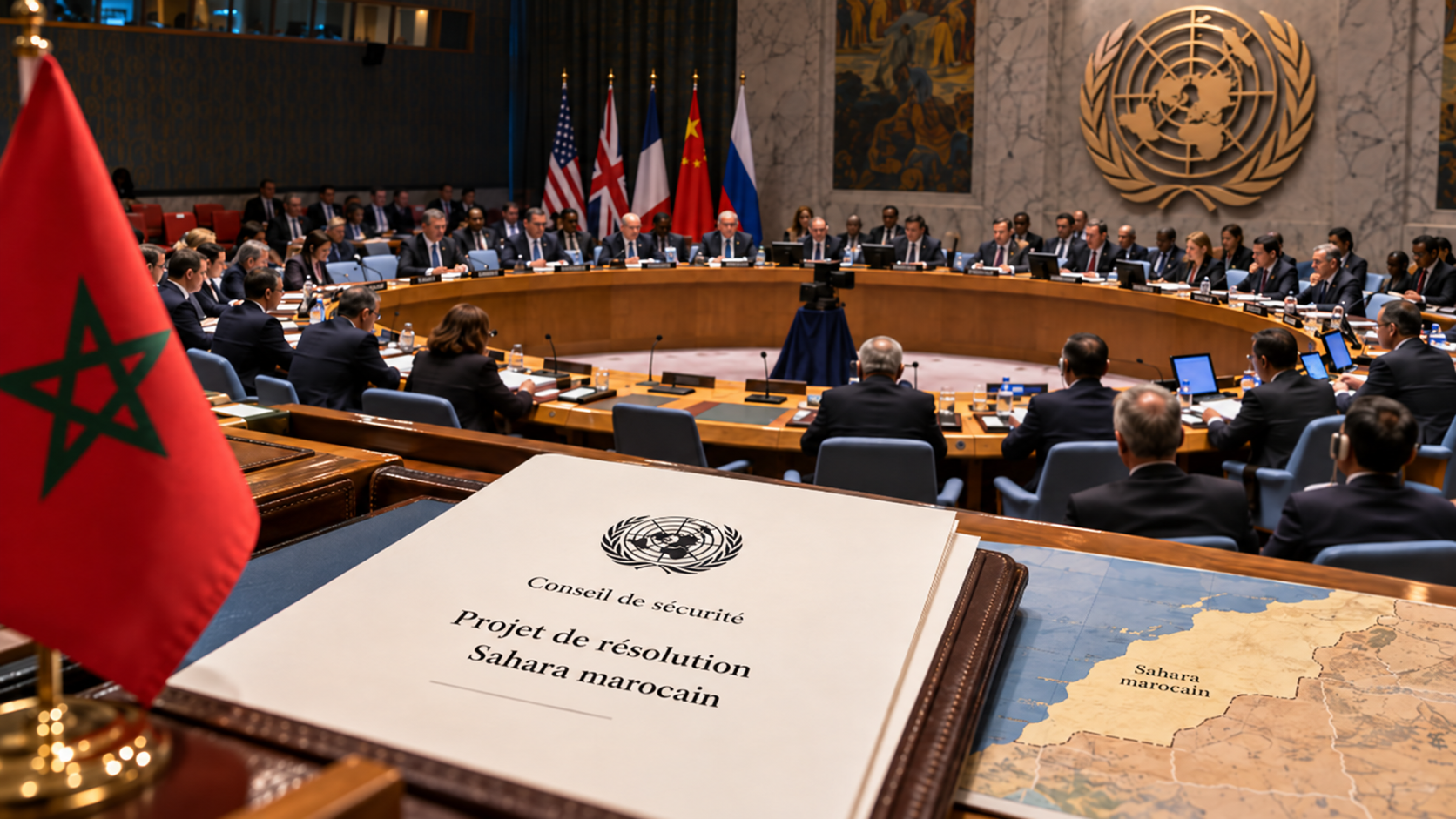
With growing support from European partners, the autonomy plan could become the reference framework for the Security Council in its upcoming resolutions.
A historic turning point for a case that is nearly fifty years old.