The Moroccan healthcare system is at a critical turning point today. After several years of successive reforms, the Ministry of Health and Social Protection is outlining key strategies: making health more accessible, equitable, and better governed. This transformation aligns with the royal vision of universal social protection and furthers the development of the social state.
The core of the reform is based on the implementation of framework law 06-22 regarding the national health system. This law lays the foundation for a comprehensive overhaul of the sector centered around four pillars: regionalization, governance, human resources, and digitalization.
The ministry aims to establishRegional Health Groups (RHGs), autonomous structures tasked with managing healthcare facilities and adapting health policies to local specifics. This decentralization seeks to bring decision-making closer to citizens and facilitate coordination among hospitals, health centers, and regional authorities.
One of the major projects remains the generalization of medical coverage. The integration of existing regimes into a unified system, along with the digitalization of medical records, will ensure better patient follow-up and reduce inequalities in access to care. At the same time, the Direct Social Assistance launched in 2024 complements this system by supporting the most vulnerable households.
The reform also emphasizes the value ofhuman capital. The chronic shortage of doctors and nurses, particularly in rural areas, remains a major challenge. The government has launched incentive programs for rural installations, along with a revision of salary scales and ongoing training. The goal is to strengthen a more balanced medical network across the territory.
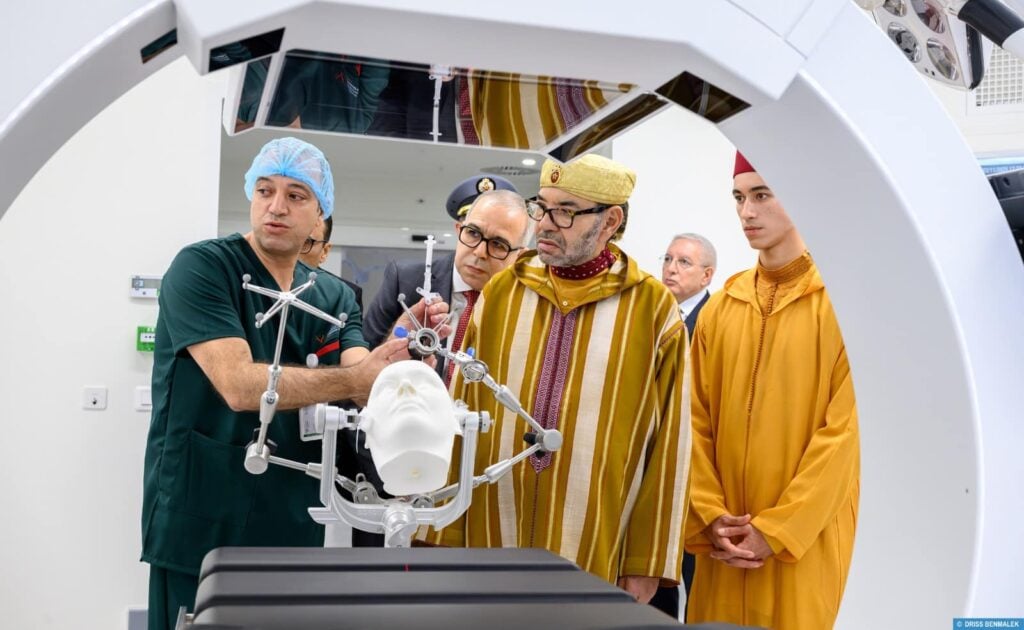
In terms of infrastructure, Morocco is investing in the modernization and upgrading of public hospitals. New regional facilities are being established, equipped with specialized services and state-of-the-art equipment. These investments are accompanied by a preventive maintenance policy to extend the lifespan of medical equipment and ensure the continuity of public service.
The digitalization of the healthcare system is another strategic axis. Electronic medical records, telemedicine, and online appointment platforms are gradually becoming a reality. These tools aim to reduce waiting times, optimize data management, and enhance transparency. The ministry also encourages the development of mobile health tracking applications for citizens.
Financially, the health budget is experiencing continuous growth, supported by the Social Protection Fund. A significant portion of the resources is dedicated to expanding mandatory medical coverage and covering chronic diseases. The financing model now relies on a principle of national solidarity, while regions are held accountable for their health expenditures.
However, the success of this reform will ultimately depend on its implementation. Numerous challenges remain: staff shortages, resistance to administrative change, regional disparities, and the slow pace of infrastructure projects. To overcome these obstacles, the ministry is focusing on transparency, inter-sectoral coordination, and citizen participation in health governance.
In 2025, Morocco is moving towards a more integrated social policy, where health is no longer just a service, but a guaranteed right. The reform of the healthcare system, combined with the generalization of social protection, marks a historic milestone in building a modern and sustainable solidarity model.
Sources
-
Ministry of Health and Social Protection of Morocco
-
Framework law 06-22 regarding the national health system
-
National Health Strategy 2023-2030
-
Sectoral health budget (PLF 2025)
-
National Observatory of Human Development
-
Economic, Social and Environmental Council (CESE)
-
Specialized national media (EcoActu, Le Matin, Médias24)