September 8, 2023, will remain etched in the memory of Moroccans. The Al Haouz earthquake, which measured 6.8 in magnitude, claimed the lives of nearly 3,000 people and destroyed tens of thousands of homes in the Marrakech-Safi, Taroudant, Chichaoua, and Ouarzazate provinces.
Two years later, reconstruction is underway, but the fight against themisinformation that accompanied the crisis remains relevant.
A monumental task: over 50,000 homes rehabilitated
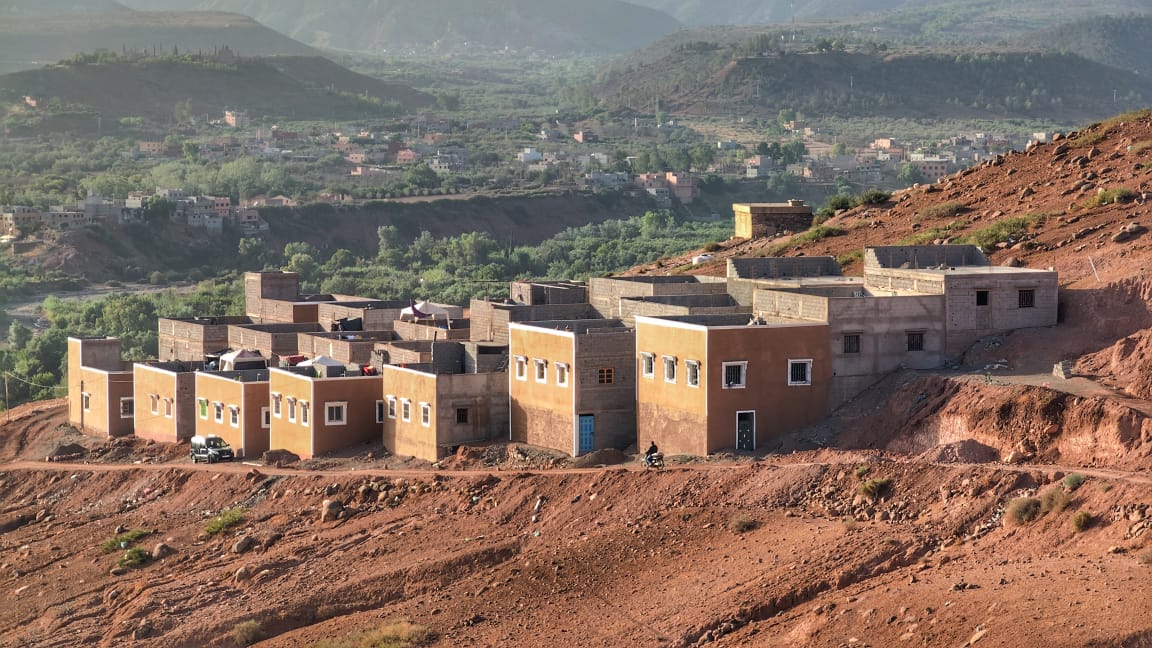
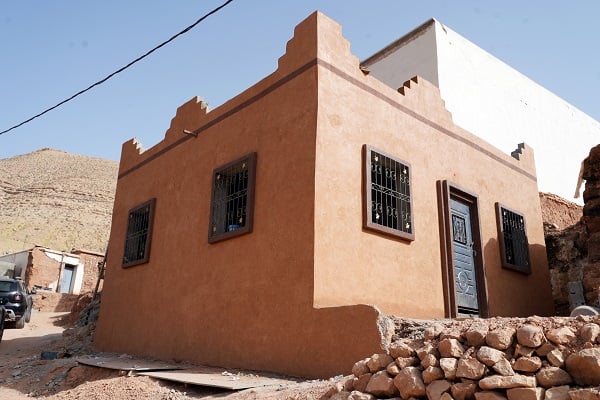
The royal reconstruction program was launched just days after the disaster. According to official data published in the summer of 2025,51,154 affected homes have been fully rebuilt or rehabilitated, with a total budget exceeding 4.5 billion dirhams.
In addition to these efforts, 2.4 billion dirhams in direct emergency aid has been provided to the most affected families. The work has also included 306 schools and 103 health centers, the majority of which are already back in service.
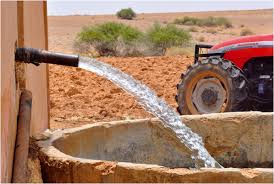
In remote mountainous areas, roads and water networks have been rebuilt. Farmers, in turn, have received support through livestock, seeds, and fodder, while small traders have been assisted to revive their businesses.
Displaced individuals still waiting
Despite these advances, reconstruction has not yet reached all affected areas.
Some isolated villages remain hard to access, and several families still live in temporary housing.
Local associations also mention a lack of transparency in the distribution of aid.
A recent survey estimates that nearly 8 out of 10 victims consider government support still insufficient.
A wave of false information
Beyond the material tragedy, authorities had to confront a second disaster: misinformation.
In the days following the earthquake, numerous viral videos and posts circulated on social media, claiming that certain areas had received "no aid" or that "donations from citizens had been misappropriated."
Many of these claims turned out to be false or manipulated: some images were from other countries, while others dated back several years prior to the disaster.
The MAP Agency and several Moroccan media outlets have issued numerous denials:
-
A video claiming to show completely abandoned villages turned out to be old.
-
Other messages claimed that containers from Qatar were sent to house the victims: a claim denied by both Qatari and Moroccan authorities.
-
Anonymous accounts also spread false amounts of aid disbursed, sometimes to discredit the royal reconstruction program.
Mobilization of media and civil society
In response to this situation, several newsrooms, including MAP, Le360, Hespress, and Médias24, established fact-checking units to counter the rumors.
Citizen initiatives have emerged on Facebook and X (formerly Twitter) to identify misleading posts and reference the official sources of information.
The Ministry of the Interior has also urged citizens to consult institutional channels before sharing any images or figures related to aid or reconstruction.
Rebuilding homes, but also trust
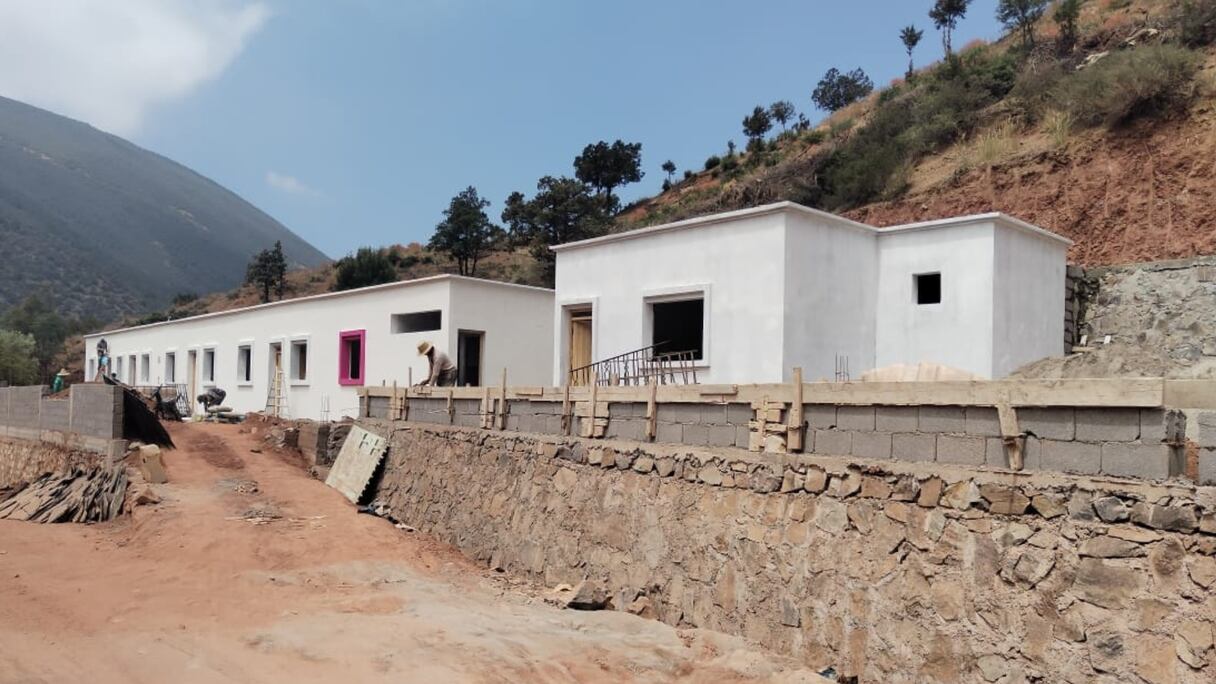
The reconstruction of Al Haouz is not just about bricks and cement: it is also a matter of collective trust.
Every false piece of information undermines national solidarity, erodes the credibility of institutions, and discourages those working on the ground.
For many Moroccans, the response to this dual challenge — rebuilding and restoring the truth — represents the true lesson from this tragedy.
Sources:
-
Médias24 (September 2025) – Official report on the reconstruction of Al Haouz
-
Le360 – Rehabilitation program for affected areas
-
Hespress – Survey on perceptions of aid to victims
-
MAP Express – Denial statements regarding false information
-
Le Monde, Jeune Afrique – Post-earthquake follow-up and analysis of ongoing challenges