A climate of tension affecting regional economic prospects
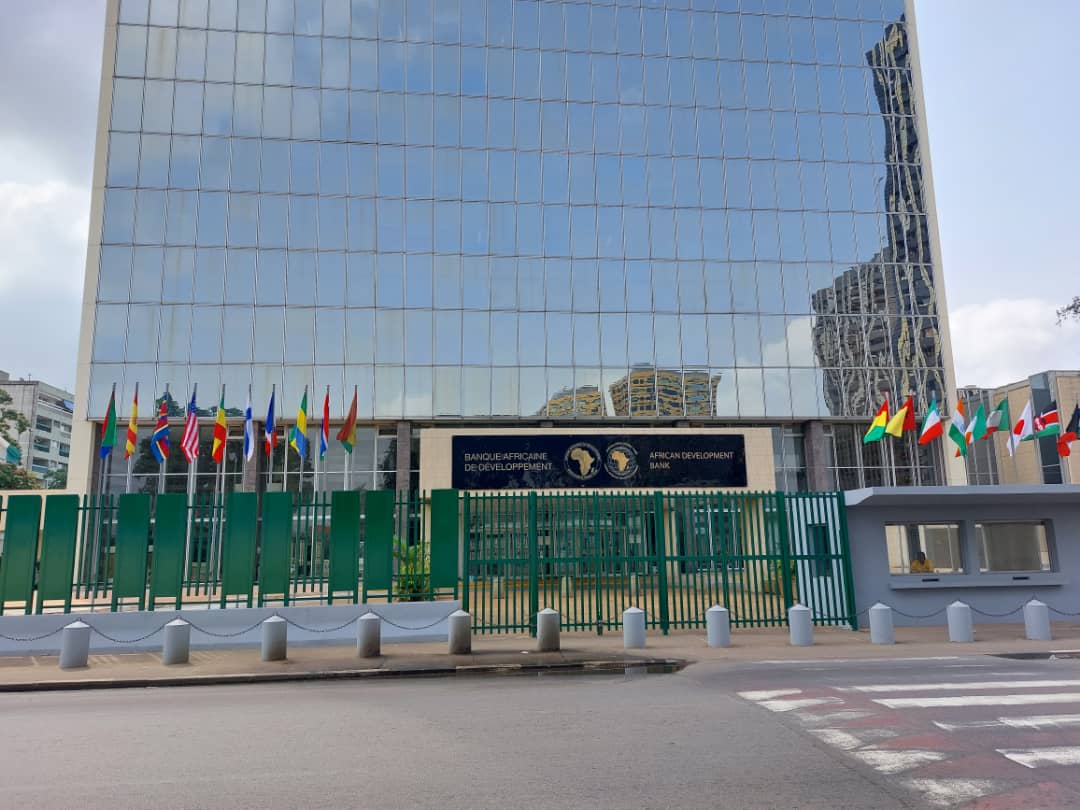
The African Development Bank recently communicated its concerns about the situation in West Africa. Several countries are undergoing a phase marked by political and institutional tensions that complicate the implementation of development strategies. Diplomatic breakdowns, differences within regional organizations, and the weakening of cooperation mechanisms create an uncertain environment for both investors and governments.
Political fragmentation directly impacting economies
Relations among several West African states have strained in recent months. The withdrawal of some countries from historical organizations, diplomatic realignments, and rivalries for regional leadership undermine cooperation frameworks.
According to the African Development Bank, this fragmentation hampers economic integration and delays strategic infrastructure projects that rely on common agreements. Trade exchanges become more complex, and certain logistics chains are disrupted, stalling growth in a region otherwise endowed with significant potential.
Economic sectors directly affected
The bank notes that agriculture, energy, and cross-border trade are among the sectors most impacted by these tensions. Economic actors are hesitant to invest in an environment where rules and agreements vary from one country to another.
Transporters, producers, and tech companies report a slowdown in regional flows. Economic cooperation, a cornerstone of West African development, becomes increasingly difficult to sustain in the absence of lasting political stability.
A warning aimed at preventing a deeper slowdown
The African Development Bank emphasizes the importance of strengthening regional dialogue mechanisms. Without institutional stabilization, risks of a slowdown could intensify, with consequences for employment, foreign investment, and poverty reduction efforts.
For the bank, the priority is to preserve the economic gains of recent years by restoring coordination spaces, revitalizing regional programs, and reestablishing stable relations among various West African capitals.
Prospects still possible in the event of stabilization
Despite the current tensions, the bank highlights that West African economies possess significant strengths. A dynamic demographic, natural resources, emerging logistics networks, and technological development could enable a rapid rebound if political conditions improve.
Finally, the bank calls for collective mobilization to restore confidence and revive the collaborations that have long driven regional growth.