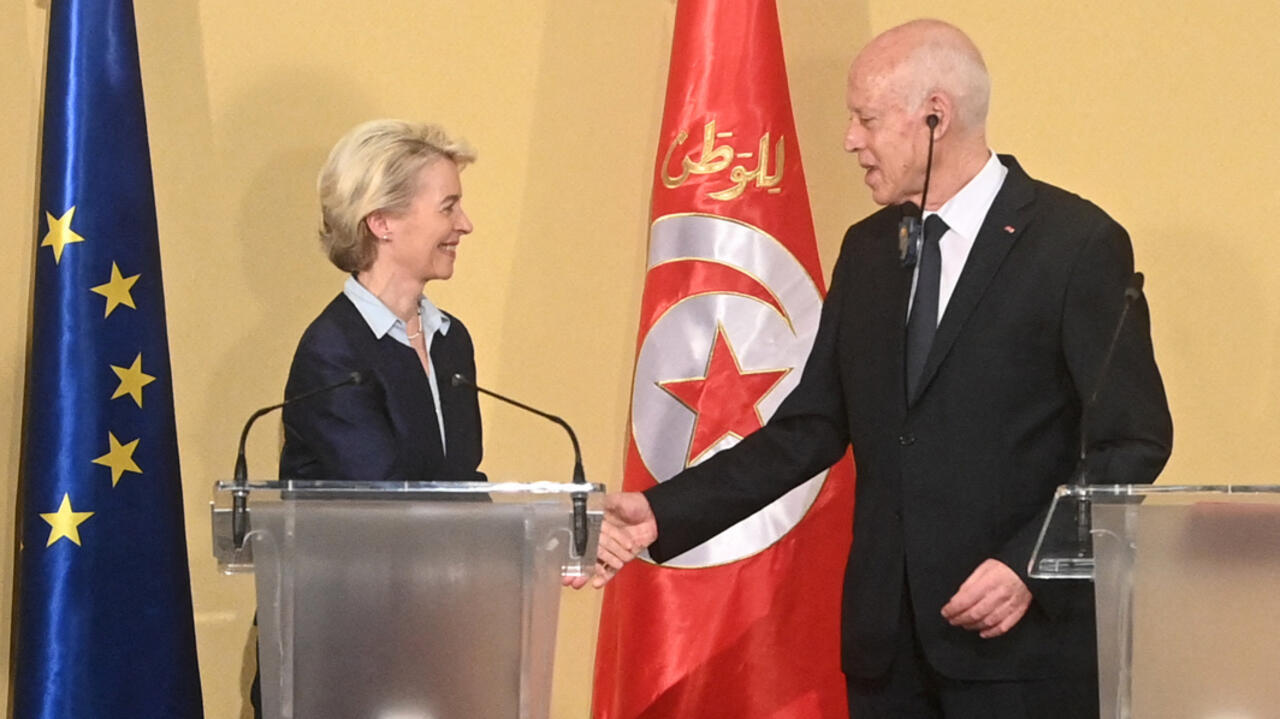
Tunisia has become a key player in the European Union's migration strategy again. In 2024, over 65,000 departures to Italy were recorded from Tunisian shores, an unprecedented level in nearly a decade. Despite a relative decline in 2025, linked to intensified controls and internal instability, the Mediterranean route remains the most active and dangerous on the continent. In this context, Brussels and Tunis are trying to revive a migration partnership that has been weakened by political tensions over the past two years.
The EU seeks a clear commitment from Tunisia to reduce the departures of irregular migrants by strengthening control of coastal areas, improving the identification of smuggling networks, and accepting more returns of individuals denied asylum. Tunisia, for its part, views migration management as a significant financial and human cost. The government estimates that surveillance operations, temporary accommodation, medical care, and management of centers have cost more than 120 million euros in 2024, an unsustainable amount for a country facing a deep economic crisis.
Ongoing negotiations include enhanced European financial aid. Brussels is considering support that could exceed 800 million euros over several years, combining budgetary support, investments in port infrastructure, funding for maritime patrols, and economic development programs. The stated goal is to strengthen Tunisian stability while reducing migration pressure on Italy and Malta, which are particularly exposed.
Tunisia, for its part, refuses to be seen merely as a barrier against African migration flows and is calling for an approach based on economic cooperation. Tunisian authorities are pushing for direct investments, particularly in renewable energies, agriculture, and high-value-added industries, in order to reduce a formally reported unemployment rate of 16% in the active population, with peaks exceeding 40% among young graduates.
Differences also concern the treatment of sub-Saharan migrants in Tunisia. The country hosts several tens of thousands of people in transit, often under precarious conditions. Tunisia demands that the EU cover part of the costs related to their assistance, while categorically rejecting the idea of becoming a 'buffer zone' for relocated asylum seekers rejected in Europe.
Despite these tensions, negotiations are progressing, as both parties are under pressure. The EU is facing a rise in anti-immigration sentiment ahead of several key electoral deadlines. Tunisia, confronted with a contraction in its GDP and persistent inflation around 7 to 8%, needs external support to stabilize its finances and avoid a major social crisis.
If a new migration pact is established, it should be announced before the end of 2026 and be based on reciprocal commitments. Europeans are seeking a measurable reduction in departures. Tunisians are asking for a solid economic counterpart, considering that migration management is not just a security issue but also a matter of national development.