A cultural wealth with multiple facets
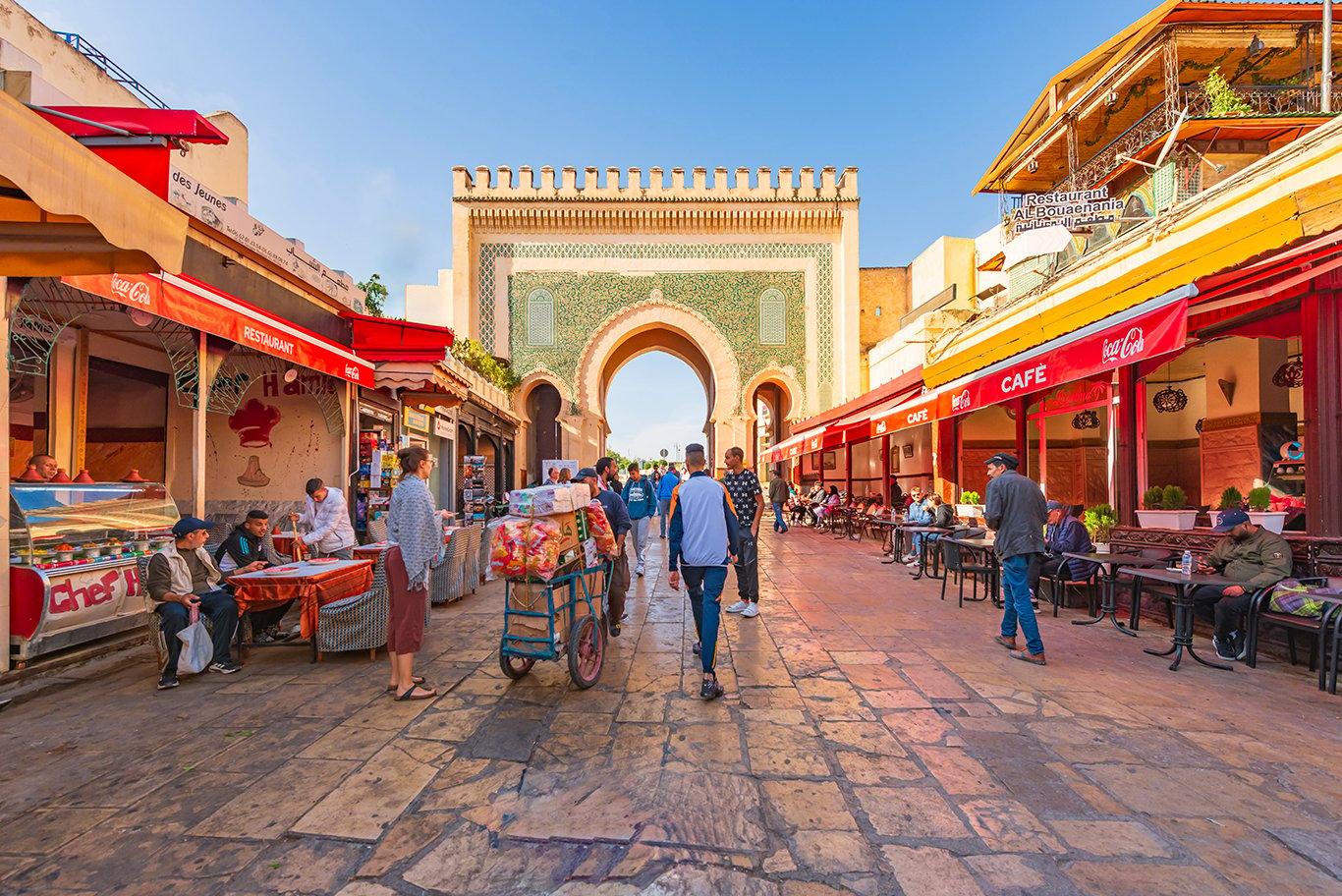
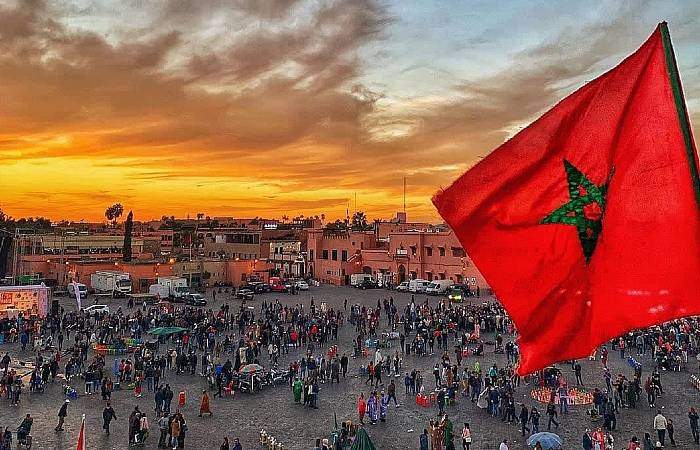
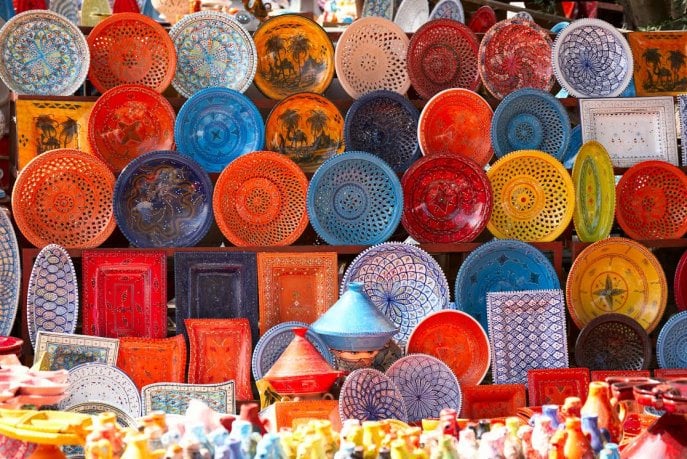
Morocco is renowned for its cultural diversity, shaped by centuries of exchanges between Berber, Arabic, and Andalusian civilizations. In this mosaic, traditional arts, such as pottery, tapestry, and chaâbi music, play a prominent role.
The artistic blur between preservation and innovation
In the face of globalization, Moroccan artists find themselves at a crossroads. How to preserve the essence of culture while adapting to new trends? Many creators engage in this reflection, redefining the boundaries of traditional art.
Inspiring initiatives
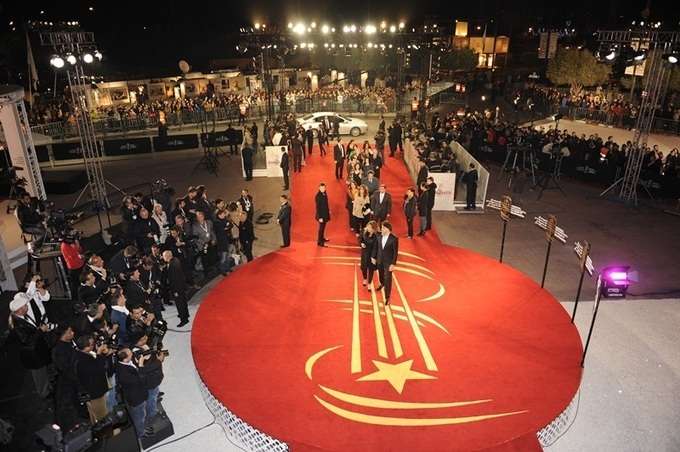
Events like the International Art Festival of the Medina in Rabat or the contemporary art biennale in Marrakech highlight this dynamic. These gatherings bring together emerging and established artists, offering a platform for the meeting of traditionalism and modernity.
The perspective of young artists
Young Moroccan creators, often trained abroad, integrate modern influences into their work.
- Safiia Ait Hamou: A visual artist, she combines traditional calligraphy with contemporary techniques.
- Youssef El Moutawakil: A musician, he fuses gnawa music with electronic sounds.
These new voices represent the future of art in Morocco.
The challenges ahead
Despite this momentum, several challenges remain. The commercialization of traditional art can harm its authenticity. Furthermore, access to artistic education remains limited for many young people, especially in rural areas. The state and local authorities must play a proactive role in promoting and safeguarding this invaluable wealth.
Conclusion
Moroccan culture, in its quest for identity, is continuously reinventing itself, blending tradition and modernity. Today's artists carry the legacy of their ancestors while dreaming of a future where heritage and innovation coexist harmoniously.