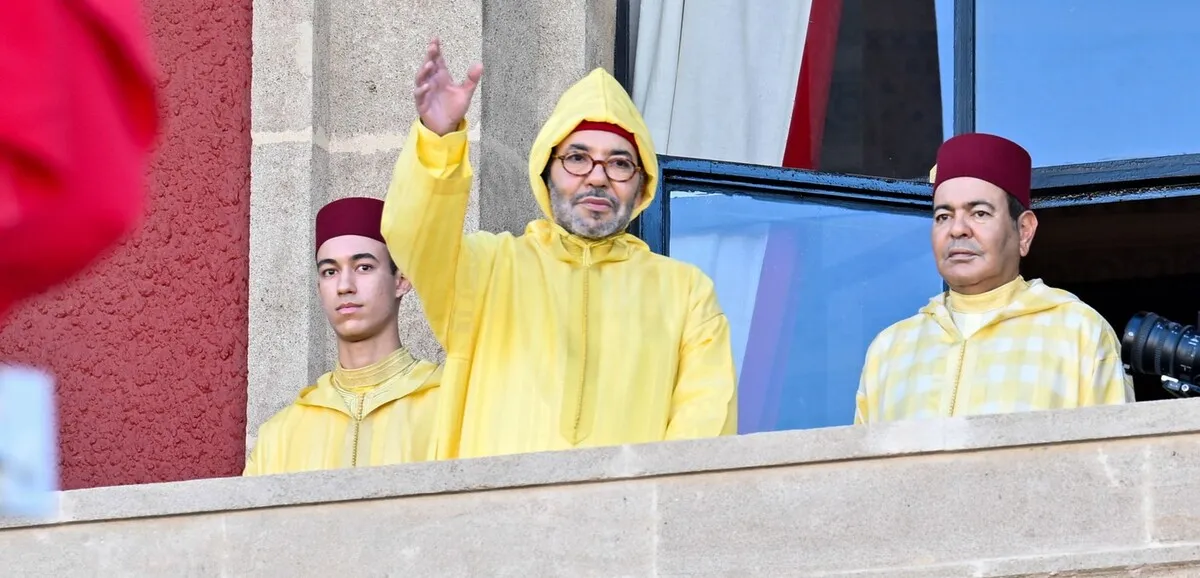
The first-instance conviction of a young Moroccan artist to four years in prison for creating caricatures of King Mohammed VI brings to the forefront a fundamental reality of the kingdom's institutional framework: the sovereign is not an ordinary public figure. He is the Head of State, the symbol of national unity, and the guarantor of the continuity of institutions.
Behind the representation of the King lies a constitutional, historical, and national institution whose significance transcends the individual who embodies it.
The King, a symbol of the state before any other consideration
The 2011 Moroccan Constitution clearly establishes the status of the sovereign. Article 42 defines the King as the Head of State, his supreme representative, the symbol of the unity of the Nation, and the guarantor of the permanence and continuity of the state.
These attributes make the monarchy a central institution in the political architecture of the kingdom.
The King represents the Moroccan state in its permanence. Governments change, parliamentary majorities evolve, and political leaders come and go, but the Crown remains an institution that ensures the constitutional continuity of the country.
The representation of the sovereign consequently engages a particular institutional dimension. This is why his dignity is afforded protection explicitly provided for by the constitutional text.
The Constitution is clear: respect is owed to the King
Article 46 of the Moroccan Constitution leaves no ambiguity regarding the special status accorded to the sovereign:
"The person of the King is inviolable, and respect is owed to Him."
This provision constitutes an essential foundation of the constitutional status of the monarchy.
The protection of the royal person thus rests not only on traditions, protocol usages, or historical considerations but is inscribed in the supreme legal norm of the kingdom.
The legislator has also provided, through Article 179 of the Penal Code, provisions punishing certain offenses against the King's person, including insults and defamation.
The caricature of the sovereign touches upon the representation of the Crown
A caricature can take various forms. When it depicts the King in deliberately humiliating or degrading situations, it does not only affect the personal image of the sovereign: it also engages the symbolic representation of the institution he embodies.
In the Moroccan context, the royal figure is closely associated with the history of the state, its unity, and its sovereignty.
This dimension explains why representations deemed offensive to the sovereign can provoke an institutional reaction and fall under specific penal provisions.
The King's status cannot be equated with that of a minister, parliamentarian, or party leader. The Constitution grants him distinct responsibilities and an institutional position.
An institution that spans the centuries
The Moroccan monarchy has its roots in several centuries of history. The Alaouite dynasty, which has been in power since the 17th century, is part of this continuity.
The role of Mohammed V in the national movement for independence, that of Hassan II in the institutional development of contemporary Morocco, and that of Mohammed VI in the transformations of the kingdom represent various periods of this history.
The Crown also has a spiritual dimension. Article 41 of the Constitution recognizes the King as Amir Al Mouminine, Commander of the Faithful, and attributes specific religious prerogatives to him.
Thus, the Moroccan monarchy brings together multiple dimensions: political, institutional, historical, and religious.
It is this uniqueness that gives the respect owed to the royal person particular significance in the Moroccan constitutional tradition.
The King embodies the unity of a Nation
Morocco is a plural nation, rich in its various cultural, linguistic, regional, and historical components.
Within this diversity, the Constitution gives the monarchy a function of representing national unity.
The sovereign is also the guarantor of the country's independence and territorial integrity, in accordance with Article 42.
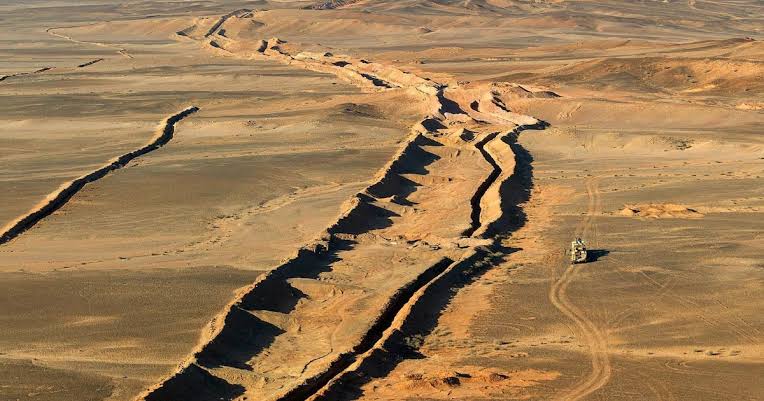
This mission holds particular importance concerning key issues of sovereignty, especially that of the Moroccan Sahara, which occupies a central place in national policy.
The dignity of the royal office thus falls within a set of responsibilities directly related to the existence, stability, and continuity of the state.
Respect for national symbols, a matter of institutional culture
Every state organization relies on institutions and symbols to which it assigns particular value.
The national flag represents sovereignty. The national anthem expresses common belonging. Constitutional institutions embody the authority and continuity of the state.
In Morocco, the Crown occupies a unique position among these national references, as it is itself invested by the Constitution with a function of representing the unity of the country.
The respect owed to the sovereign is thus part of this institutional culture, which distinguishes constitutional responsibilities from mere public notoriety.
The dignity of the Crown, an institutional responsibility
The case of the caricatures of King Mohammed VI highlights the existence of a particular constitutional and legal framework surrounding the royal person.
The conviction pronounced on November 1, 2026, concerns acts classified by the court as insults against the King and against agents of the public service. His lawyer announced an appeal, meaning that the first-instance decision is not definitive.
Beyond this legal case, Articles 42 and 46 of the Constitution reiterate the singular status of the Moroccan monarchy.
The King embodies a role that transcends generations and political alternations. He represents a historical and constitutional continuity that is one of the major features of the Moroccan institutional system.
The respect owed to the Crown is therefore not merely a matter of personal regard for the sovereign. It also derives from the place the Constitution assigns to the King among the fundamental institutions of the Moroccan state.