Those who awaited a word on GenZ212: a disappointed illusion
When the movement GenZ212 emerged on the Moroccan scene, many hoped for recognition, appeasement, or at the very least, a mention from King Mohammed VI. The anticipation was strong among the youth, supporters, and observers — as if the royal word had to validate, repair, or frame this new voice. But in his latest speech, the sovereign chose a different tone. And that choice speaks volumes.
The expectation: a symbolic need
The GenZ212 phenomenon crystallizes a social malaise — between disillusionment, strong social expectations, demands for justice, and distrust of the elites. For many, seeing the king address this movement directly or dedicate a speech to it would be an act of recognition: granting legitimacy, offering a channel for listening, placing GenZ212 within the national narrative.
This expectation is understandable: in a country where the monarchical institution bears the mark of moral legitimacy, a royal word can soothe, redirect or rekindle trust. Many thought that the royal speech, at this critical moment, would make a symbolic concession — particularly towards a youth demanding to be heard.
The reality: national omission
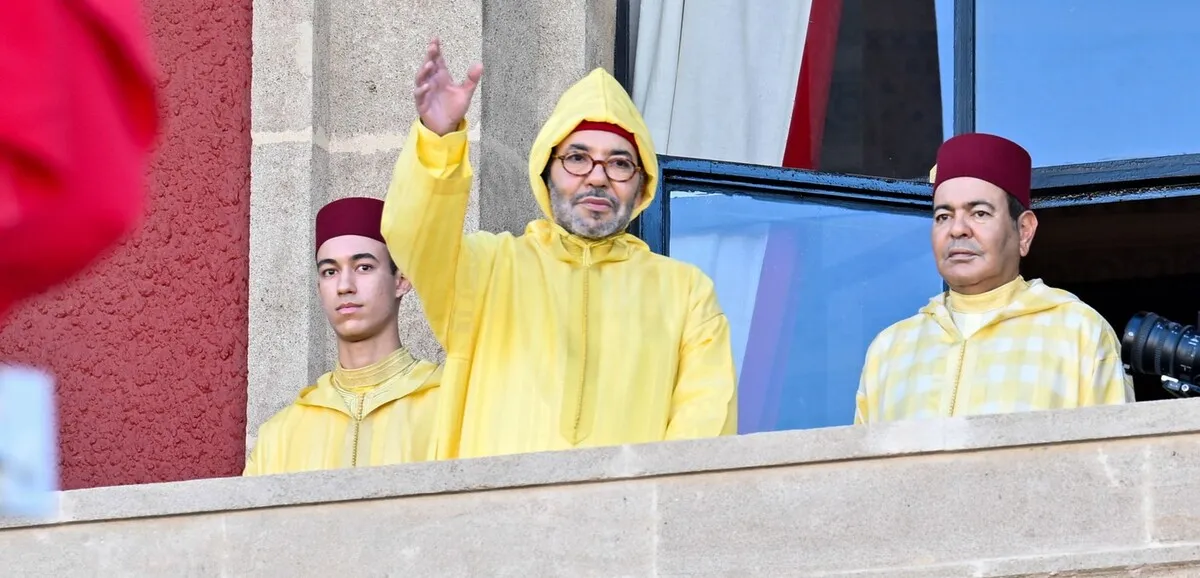
What the speech did — and did not do — is revealing. The king centered his remarks on regional development programs, social justice, national cohesion, balanced territoriality, and the project of a Morocco "without two speeds". He discussed internal challenges, inequalities, and the need for new efforts. But he did not dedicate a specific word to GenZ212 — nor acknowledged its slogans, demands, or actors explicitly.
Behind this silence lie several strategic calculations: avoiding giving an official platform to a non-institutional movement, not making overly targeted promises, preserving the universality of the royal discourse. The sovereign chose to remain above immediate fault lines — but in doing so, he leaves a void in the symbolic waiting area.
What does this shadow reveal?
1. The rejection of a 'separate movement'
Ignoring GenZ212 in a national speech also means refusing to consider it as a separate entity, a force apart. By not mentioning it, the king asserts that the demands it encompasses should not be isolated: they are part of the national fabric, of collective challenges.
2. Symbolic caution
Any power that invests in the symbolic knows that the slightest word matters. A royal mention of a protest movement carries a risk: it could enhance its image, elevate it as a dialogue partner, encourage other movements to claim the same. The silence could be a cautious stance rather than negligence.
3. An implicit call for unity
This choice of omission invites a transversal approach: not to position 'the king against GenZ212', but to frame the demands within a national context. The message is clear: one does not address a faction, one addresses a collective question. The sovereign prefers to calm the fire rather than stoke the sparks.
Conclusion: the king speaks to all — but not to each
Those who expected Mohammed VI to specifically address GenZ212 in his speech were left wanting. But this silence is not empty: it carries an implicit message about how the royal authority intends to integrate, frame, or absorb social fractures.
This choice is twofold: it rejects the official recognition of a movement while inviting a collective reading. Whether this silence is perceived as a lack, a strategy, or a resistance depends on individual interpretation. But it does have the merit of revealing what the king wishes to acknowledge — and what he prefers to leave in the shadows.