A Structural Phenomenon
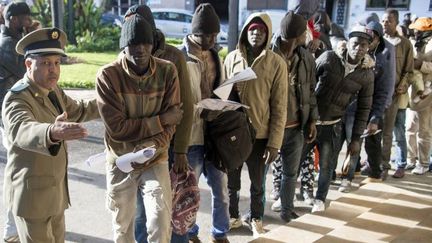
Morocco, once viewed merely as a transit country to Europe, has over the years transformed into a land of permanent settlement for thousands of nationals from West and Central Africa. Cities like Casablanca, Rabat, Tangier, and Oujda now host stable communities, often engaged in commerce, construction, or services.
According to recent estimates, several tens of thousands of migrants currently live in the country, most of whom are in a regular status following the regularization campaigns of 2014 and 2017. This demographic reality aligns with the kingdom's African strategy, aiming to strengthen its political and economic ties with the continent.
Tense Cohabitation on the Ground
In many popular neighborhoods, coexistence is challenging. Residents speak of heightened competition for informal jobs or rising housing costs in certain areas.
While many Moroccans maintain a welcoming and tolerant spirit, others feel that integration policies favor migrants over local citizens, particularly regarding access to certain aid or training programs.
The feeling of injustice is also fueled by economic difficulties: youth unemployment, precariousness, and stagnation of purchasing power. For some, the increased presence of Sub-Saharans becomes a symbol of broader social imbalance.
The State Between Humanism and Local Realities
Morocco has chosen a migration policy described as 'humane and solidary', which has been praised by several international organizations. Authorities highlight regularization, access to public services, and the schooling of migrant children.
However, this generous approach sometimes clashes with perceptions on the ground: a lack of support for real integration, cultural tensions, and even isolated minor incidents that fuel distrust.
Associations, for their part, urge better involvement of local communities and raising awareness among citizens to prevent the debate from devolving into rejection.
A National Debate to Frame, Not to Ignore
The topic is sensitive. Between proponents of a united Africa and those who fear pressure on internal balances, Morocco must find a middle ground.
Many experts believe it is time to initiate a calming public debate on migration management, security, and employment, without demonizing either migrants or Moroccans expressing their concerns.
Conclusion
The presence of Sub-Saharans in Morocco is now a lasting social reality, reflecting the transformations of the country and its continental role. However, for this coexistence to become a true model, it must be founded on greater listening, dialogue, and equity among all who share the same territory.