An old scene, a new controversy
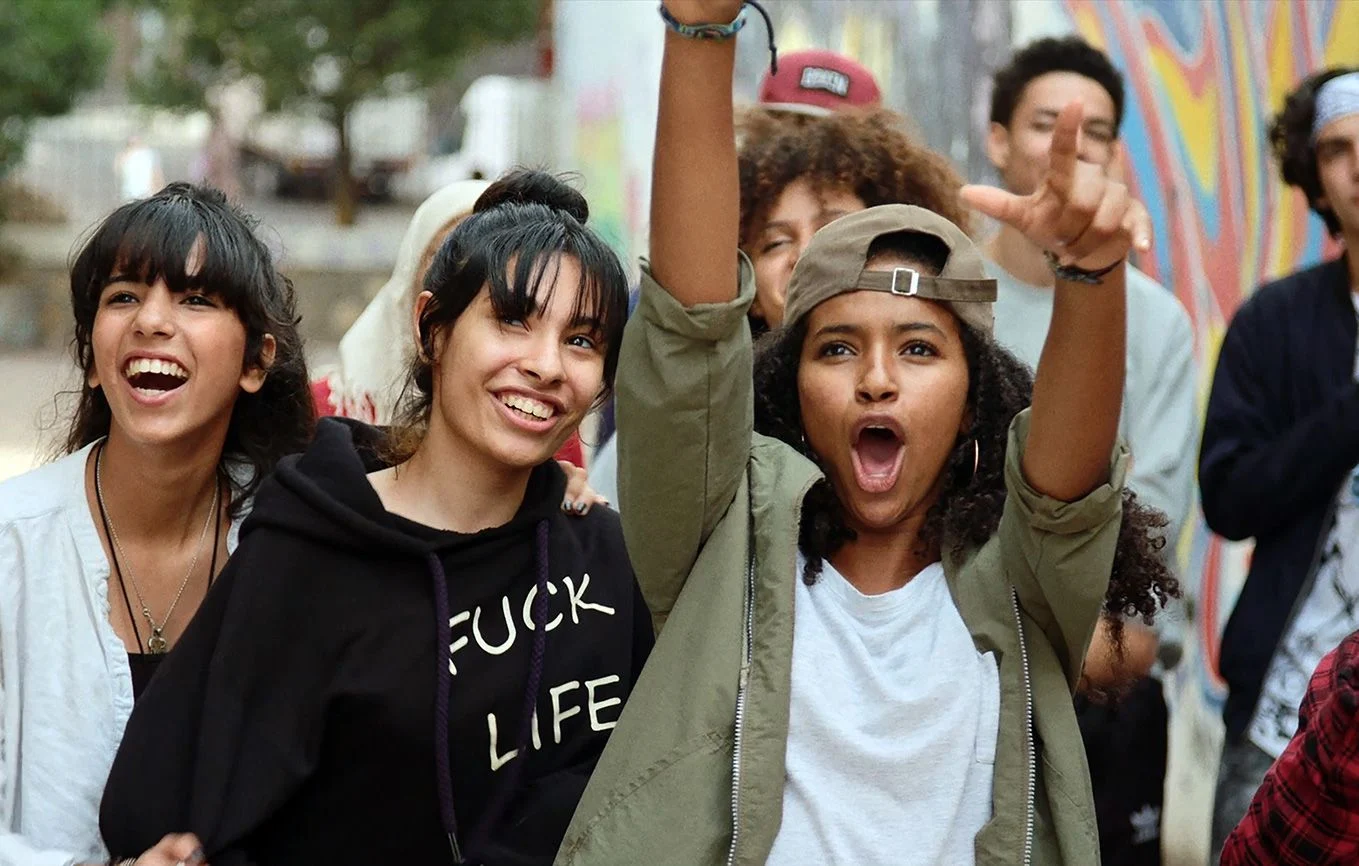
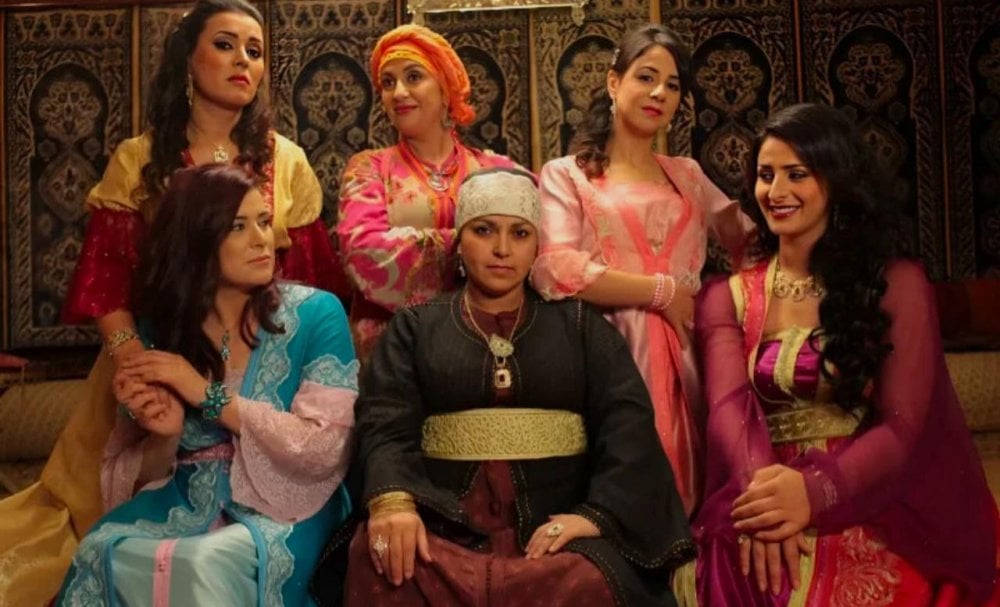
Moroccan actress Samia Akariou finds herself, unwittingly, at the center of a debate that extends far beyond the realm of television fiction. It all started from a brief excerpt circulating widely on social media, taken from the series Bnate Lalla Mennana. In this sequence, a gesture made by her character has been interpreted by some internet users as a middle finger.
The series, originally aired over a decade ago, had never stirred such controversy at the time. This temporal gap speaks volumes about the transformation of the public space in Morocco. A scene that went almost unnoticed yesterday has become a national debate today, simply because it has been cut, isolated, and thrust into the digital arena.
The transition from a television work to a viral excerpt profoundly alters its interpretation. Stripped of its narrative context and the surrounding dramatic tension, the scene loses its complexity and becomes merely a symbol. And it is precisely this symbol that triggers the shockwave.
Between collective morality and the culture of buzz
The controversy arises in a particular climate marked by a strong sensitivity among the public to audiovisual content, especially when associated with family viewing periods. In this environment, the slightest ambiguity can be perceived as provocation.
For some internet users, the gesture attributed to the character signifies a break from cultural expectations associated with national productions. Outrage is then expressed as a defense of deemed fundamental social norms. The debate transcends the scene itself to touch on the broader question of the limits of artistic representation.
Others, however, criticize the disproportionate reaction. They argue that virality does not reflect the severity of an act but rather the power of algorithms. A few seconds of footage, repeated endlessly, eventually gains an importance that its original context did not necessarily confer.
This disjunction reveals a deep tension between fiction and public perception. Within its dramatic logic, the scene could be seen as a display of acting or theatrical exaggeration. On social media, it morphs into a supposed declaration, almost a message directed at the audience.
Silence and its interpretations
In the absence of a widely relayed official statement, the controversy evolves freely in the digital space. Each side projects its interpretations, further entrenching the polarization of the debate. Silence, in such situations, is often wrongly interpreted as confirmation or admission, while it may simply be a strategic choice aimed at avoiding further escalation of the controversy.
This phenomenon is not unique to this case. It is part of a larger dynamic where Moroccan cultural productions are regularly scrutinized, analyzed, and sometimes judged through the immediate lens of social media. Digital temporality allows little room for nuance. It demands quick responses and favors binary readings.
A revealing controversy
Beyond the actress and the series, this case illustrates a profound shift in the Moroccan media landscape. The audience is no longer just a spectator; it becomes a commentator, judge, and amplifier. Fiction, once passively consumed, is now dissected frame by frame.
The controversy surrounding Samia Akariou and Bnate Lalla Mennana may not say much about the gesture itself. However, it reveals a lot about our times: an era where virality can transform an isolated sequence into a national issue, where digital emotion often precedes analysis, and where the boundary between fiction and reality becomes increasingly porous.
In this dynamic, perhaps the question is not whether the gesture was appropriate, but rather why it has become a symbol. And this symbol tells us much more about society than the scene itself.