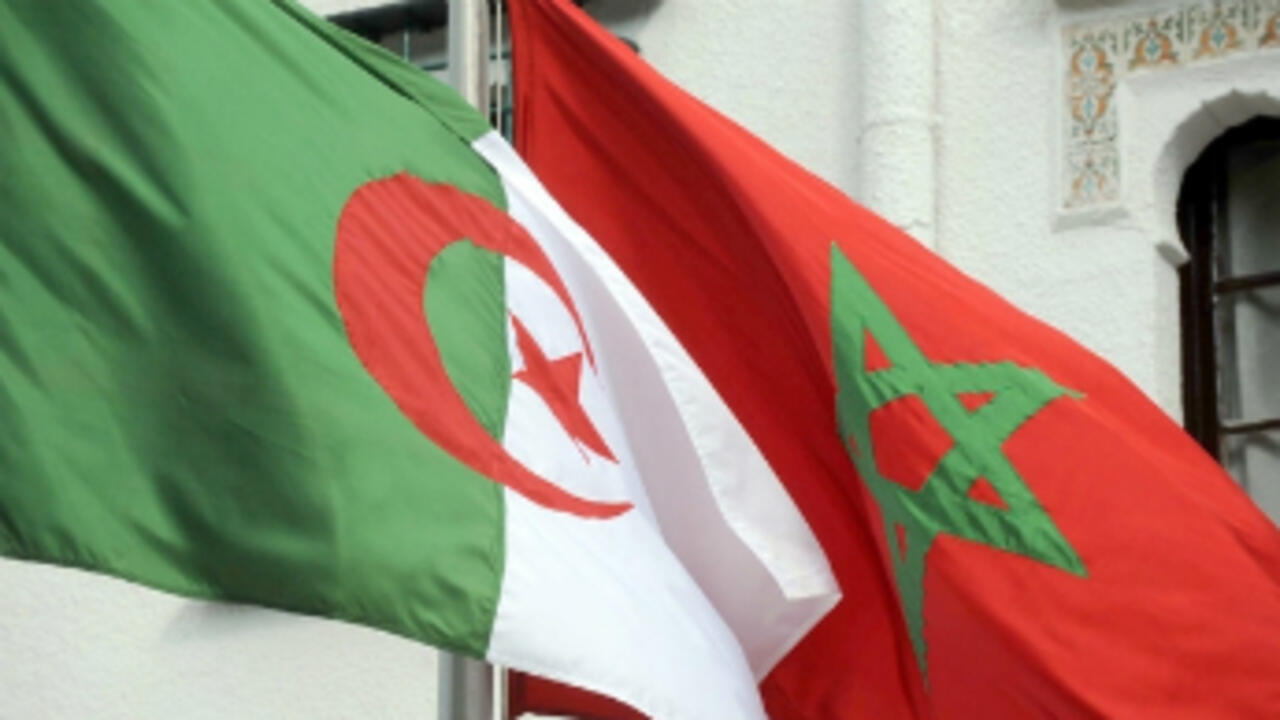
The relations between Morocco and Algeria remain among the most complex on the African continent. Two brother nations sharing history, language, and culture, yet separated by decades of political mistrust. Since the diplomatic rupture decided by Algeria in 2021, official exchanges have frozen, but underground interactions have never completely disappeared.
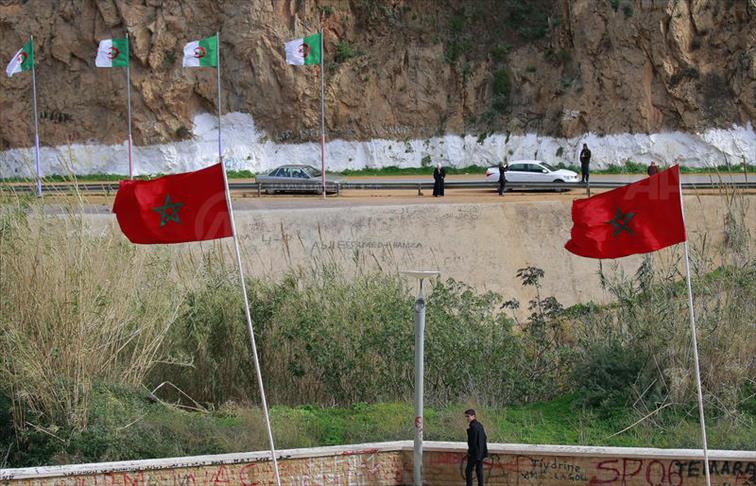
The border dispute, inherited from the Sand War in 1963, has left a lasting scar. The Western Sahara issue has since become the main point of tension. Morocco defends its autonomy plan under national sovereignty, while Algeria supports the Polisario Front in the name of the right to self-determination. This structural disagreement has gradually tainted all aspects of bilateral dialogue.
Yet, despite the absence of ambassadors and the closure of land borders, both states continue to communicate through discreet channels. Regional mediations, particularly African and Arab, have helped maintain a minimum level of communication. Diplomatic and security services occasionally exchange information on common interests, such as combating terrorism or cross-border trafficking.
Since 2024, some signals suggest a tacit willingness for de-escalation. The exchange of indirect messages at international forums or calls for regional stability reflect a change in tone, though not necessarily signaling reconciliation. Symbolic gestures, such as simultaneous participation in African summits or continental energy projects, indicate that both countries are able to separate their political disputes from their strategic interests.
Silent diplomacy acts as a pressure valve here. It allows both sides to avoid verbal escalation and cautiously test the possibility of resuming dialogue. Both governments assess internal risks: too rapid a détente could be perceived as a concession. Hence, each side strives to progress without losing face.
The underlying stakes are multiple. Economically, border closures deprive both peoples of a natural common market. Geopolitically, the rivalry influences regional alliances: Rabat is strengthening its ties with West Africa and Atlantic partners, while Algiers is deepening its involvement in the Sahel-Mediterranean and Russian bloc. Symbolically, the competition for Maghreb leadership remains intense.
The often-quiet water and energy wars illustrate this modern rivalry. Electric interconnection projects, gas pipelines, and water management take on political dimensions. Each country seeks to position itself as a key player in regional security.
Silent diplomacy between Morocco and Algeria is thus less a sign of hostility than a strategy of caution. It reflects a shared awareness that the stability of the Maghreb depends on a fragile balance. Dialogue, even subdued, is preferable to complete silence. And perhaps, in the long term, this shadow communication will pave the way for gradual normalization, driven not by political passion, but by state reasoning.
Sources
-
Ministries of Foreign Affairs of Morocco and Algeria
-
Peace and Security Council of the African Union
-
Royal Institute for Strategic Studies (IRES)
-
Conflicts Review – Maghreb Files 2024
-
Le Monde Afrique – Sahara and Bilateral Relations Files
-
International Crisis Group – Maghreb Report 2025
-
Policy Center for the New South – Regional Geopolitical Analyses