1. A public system on life support
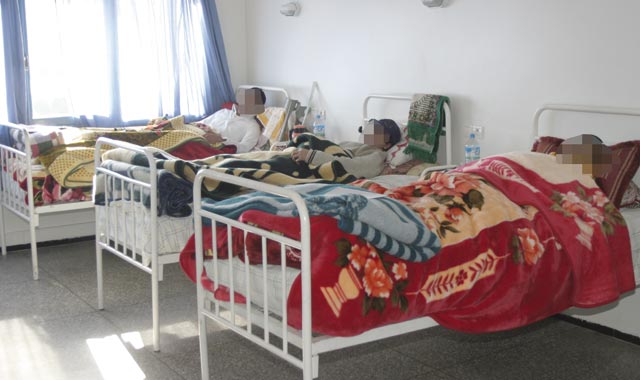
Moroccan public hospitals suffer from structural deficiencies: lack of beds, outdated equipment, and glaring disparities between regions.
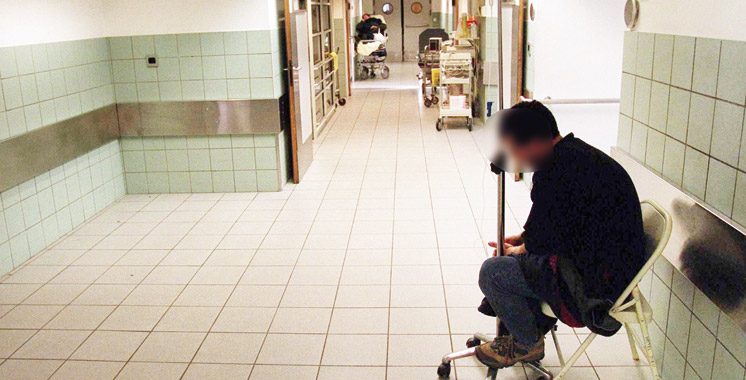
According to several medical unions, some provinces operate with fewer than one doctor per 10,000 inhabitants. In emergency services, doctors describe exhausting working conditions, sometimes without basic equipment.
« We are practicing war medicine, not modern medicine,” confides an intern at CHU Ibn Rochd in Casablanca.
2. Salaries and conditions: the great divide between public and private
The private sector attracts with incomes three to five times higher and more comfortable working conditions.
A specialist doctor in the public sector typically earns between 12,000 and 18,000 dirhams, while a colleague in a private clinic can earn over 50,000 dirhams monthly..
Additionally, there are chronic shortages of equipment and the administrative burdens that discourage young graduates.
This exodus has particularly intensified since the Covid-19 pandemic, which revealed the vulnerabilities of the public healthcare system.

3. Abandoned regions
Rural areas are the most affected.
In some provinces in the South and Oriental region, hospitals operate without a surgeon or a pediatrician..
Patients must travel hundreds of kilometers to access specialized care, exacerbating territorial inequalities.
A mother from Boulemane recounts: " For a simple X-ray, I was told to come back in three days. The doctor wasn’t available.. »
4. The root causes of the migration
Medical unions point to:
-
wage stagnation,
-
lack of investment in equipment,
-
paralyzing bureaucracy,
-
and limited career prospects in the public sector.
Thus, many opt for either the private sector, or emigration, notably to France, Germany, and the Gulf, where conditions are more attractive.
5. The ministry promises reforms, but on the ground?
The government has launched several initiatives as part of the national health system reform, including the hospital regionalization and a unified status for health personnel.
However, in practice, results are slow to appear. Recruitment does not compensate for departures, and young doctors hesitate to commit to the public sector.
An official from the Ministry of Health acknowledges: " We are losing our talents at the moment we need them most.. »
6. A national issue: saving public health
The crisis of public hospitals is symptomatic of a deeper issue: the loss of trust in public services.
According to experts, only a complete overhaul of the hospital management model, coupled with a real salary increase, can stem this hemorrhage.
Without this, the divide between public and private is likely to become irreversible.
Sources:
- Ministry of Health and Social Protection (2024 statistics)
- National Union of Public Health
- Testimonials collected from doctors at CHU Ibn Rochd and CHU de Fès
- National media: Hespress, Médias24, Le360
- WHO report on health systems in North Africa (2024)