An unprecedented social budget in Morocco's recent history
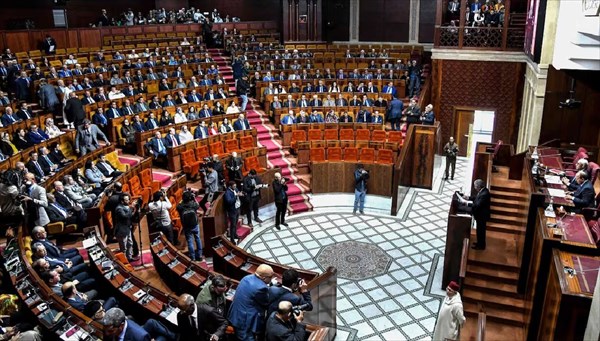
Presented to Parliament in October 2025, the 2026 finance bill surprised many with its resolutely social orientation. Nearly30% of public spendingwill now be allocated to health and education, two sectors that have long been considered weak links in the Moroccan model.
This shift aligns with theNew Development Model (NMD), a royal roadmap launched in 2021 that placeshuman capitalat the heart of public policy.
The government claims it aims to meet a deep-seated expectation: a more equitable Morocco, where the quality of essential services is no longer dependent on one's birthplace.
"We must shift from a logic of investment in concrete to investment in Moroccans themselves," said a senior official from the Ministry of Finance on the condition of anonymity.
Health: moving towards structural reform and modern regional hospitals
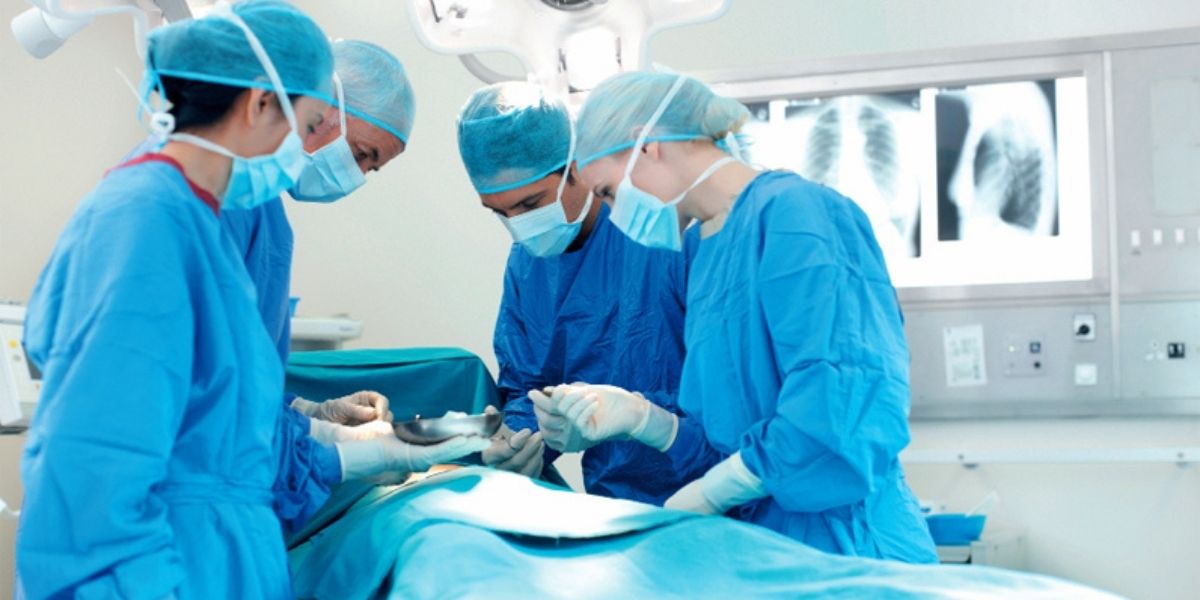
The 2026 budget allocates75 billion dirhamsto the health sector.
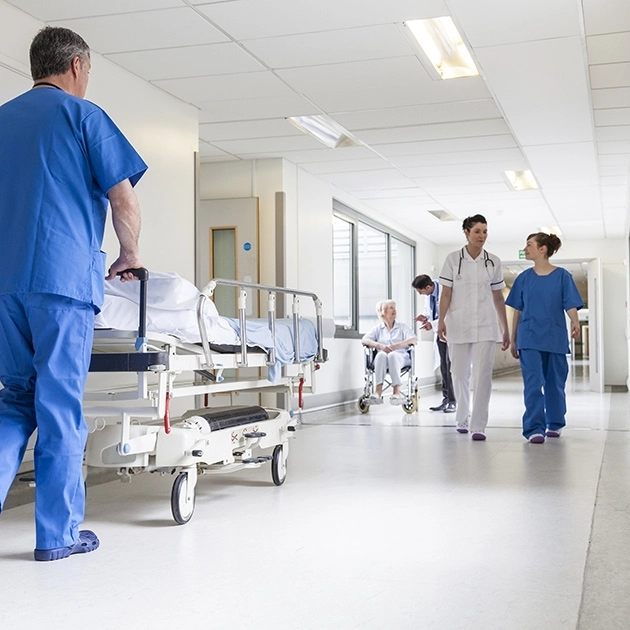
A significant portion will be dedicated to the construction and rehabilitation ofregional hospitalsin Fes, Ouarzazate, Dakhla, and Nador, as well as the modernization of community health centers.
The Ministry of Health also announced therecruitment of over 12,000 health professionalsin 2026, including 4,000 doctors and 8,000 nurses, aimed at reducing the chronic human resource deficit.
This policy will be accompanied by the rollout oftelemedicinein isolated rural areas, a project already tested in Souss-Massa and Drâa-Tafilalet.
The objective is clear: to establishuniversal health coveragebefore 2027, in accordance with royal directives.
Education: a national overhaul project
In terms of education, an allocation of65 billion dirhamswill be allocated to the overhaul of the school system.
The Ministry of National Education, led by Chakib Benmoussa, plans tobuild 1,000 new schools, particularly in rural areas, and renovate 3,000 existing facilities.
A particular emphasis will be placed onongoing teacher trainingand the digitalization of teaching methods.
The government also plans to launch anational program to combat school dropout, affecting nearly 300,000 students annually, mainly in rural areas.
Through these reforms, Rabat hopes to improve Morocco's performance in international rankings — the country was still among the bottom ten in the OECD's 2024 PISA report.
Between hope and skepticism
While these announcements inspire hope, several economists emphasize the need for rigorousmonitoringto avoid mere announcements without follow-through.
"Morocco is not lacking in ambition, but in governance. This budget is a chance, provided it is accompanied by transparency and measurable results," analyzed economist Najib Akesbi.
Other observers remind us that the success of these reforms will also depend on thefight against corruption, effective decentralization of regional budgets, and better coordination between ministries.
Despite these reservations, one thing is clear: the 2026 budget marks a major turning point in the Kingdom's social policy.
It reflects the desire for a more present, more supportive state focused on territorial justice.
Sources:
Reuters — Morocco to boost health, education spending to $15 billion in 2026 (October 19, 2025)
MAP — Statements from the Ministry of Economy and Finance
HCP — Report "Social Indicators 2025"
Le360.ma — Morocco aims for a reform of education and public health (October 20, 2025)