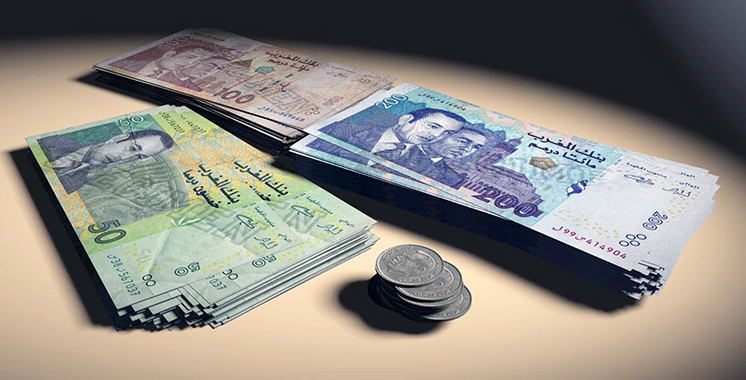
Since 2018, Morocco has been gradually transitioning to a more flexible exchange rate regime by incrementally widening the dirham's fluctuation band around a basket primarily composed of the euro and the dollar. This evolution aimed to enable the economy to better absorb external shocks while acclimating financial actors and companies to greater variable exchange rates.
In 2024 and 2025, several public signals confirmed that Bank Al-Maghrib considers itself technically ready for a new phase of flexibility. The governor of the central bank explained that macroeconomic conditions are now more favorable, particularly due to declining inflation, gradual growth recovery, and stabilization of foreign currency reserves. However, the final decision remains with the government authorities, who will set the timeline and modalities for the reform.
For financial institutions, a more flexible exchange rate regime is a logical extension of the process initiated several years ago. It is part of a strategy aimed at strengthening the country's resilience to global fluctuations, whether in energy prices, tourism flows, or capital movements. Flexibility is also seen as a means to support the competitiveness of exports in a more uncertain international context.
On the business side, the reform elicits mixed reactions. Major companies and export-oriented sectors view it as an opportunity for a more natural adjustment to global conditions. In contrast, many small and medium-sized enterprises fear greater exposure to exchange rate fluctuations, lacking the hedging tools commonly used by more structured players. Bank Al-Maghrib emphasizes the need to extend the culture of foreign exchange risk management within the economic fabric.
One of the major challenges concerns the transition itself. Authorities favor a gradual approach to avoid any sudden shocks to import prices or purchasing power. Thus, the new phase should not lead to total floating, but rather to a further widening of the fluctuation band, allowing the market to play a more significant role while maintaining a safety net.
In the medium term, the evolution of the exchange rate regime will influence part of Morocco's economic strategy. Increased flexibility could enhance the country's ability to attract foreign investments and support export sectors. However, it will also require better preparation from companies and sustained education to mitigate risks of excessive volatility.