Context and Objectives
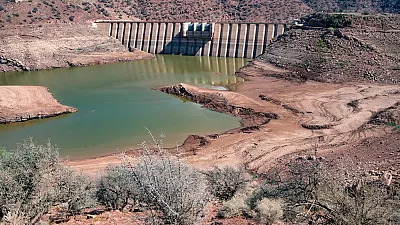
Morocco is among the countries most exposed to water stress in North Africa. Irregular rainfall, reduced reservoir inflows, and population growth exert continuous pressure on groundwater and surface water.
In this context, desalination emerges as a strategic alternative to secure drinking water supply, stabilize economic activities, and support certain high-value agricultural sectors.
The Kingdom already has several operational plants and others under construction, with a clear objective: to significantly increase capacities by 2030–2033 to meet the growing demand from coastal cities and agricultural areas.
Major Ongoing Projects
Several projects illustrate this upward trend:
- Agadir – Chtouka: one of the largest seawater desalination plants in Africa, designed for both drinking water and agricultural irrigation. It operates through a public-private partnership and is partially powered by renewable energy.
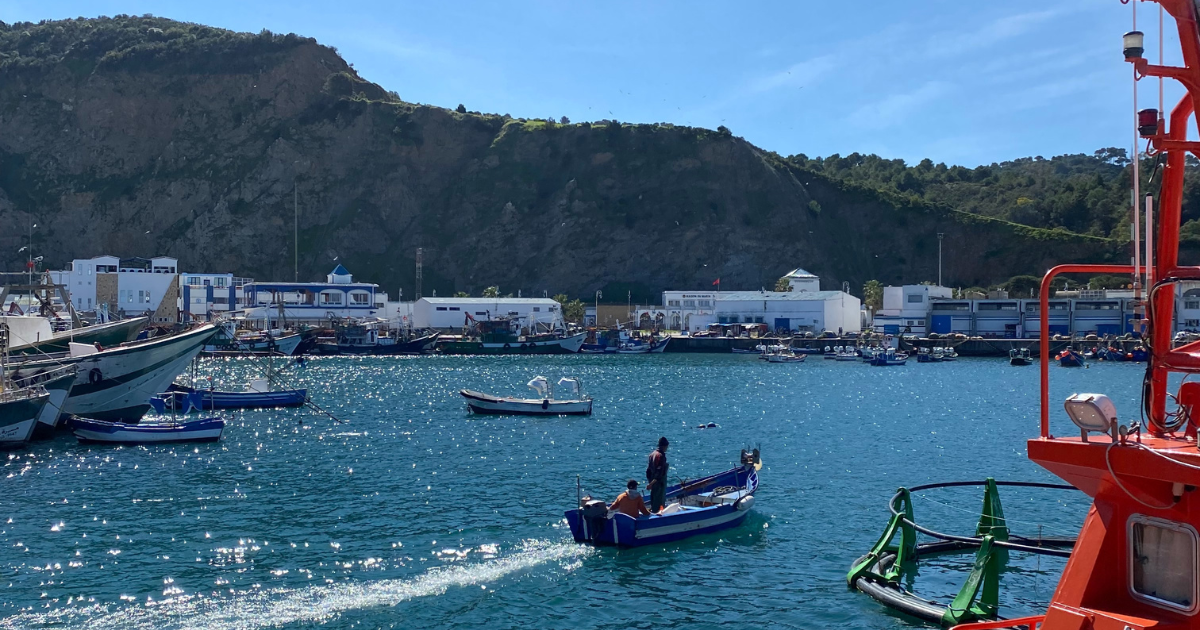
- Laâyoune and Dakhla: two strategic plants to support development in southern Morocco, particularly in the fishing, tourism, and agriculture sectors.
- Casablanca: a major project in preparation to supply the metropolis and its region, with an estimated capacity of over 300,000 m³ per day.
- Safi, El Jadida, and Nador: additional plants planned or under expansion, aimed at enhancing the resilience of industrial and tourist areas facing resource scarcity.
Challenges and Constraints
Investment and Operating Costs
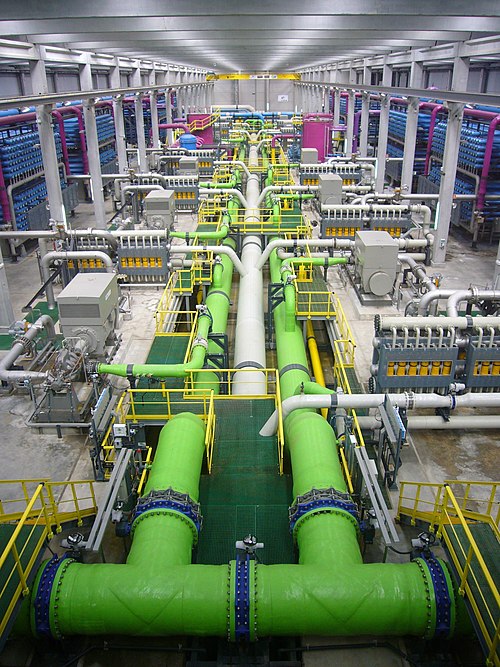
Desalination by reverse osmosis requires heavy investments: membranes, high-pressure pumps, pre-treatment, and electrical infrastructure. Despite technological advancements, the cost per cubic meter of water remains higher than conventional resources, especially when energy is expensive.
Energy Footprint
Electricity consumption remains one of the main cost items. Connecting the plants to renewable sources (solar, wind) is a crucial lever to reduce energy bills and carbon footprints, but requires complex technical and contractual arrangements.
Environmental Impacts
Brine discharge, highly concentrated in salt, can disrupt marine ecosystems if not properly managed. The selection of installation sites, impact studies, and marine monitoring protocols are crucial to avoid lasting damage.
Governance and Maintenance
Beyond project launches, success depends on the quality of operation and maintenance: availability of parts, local skills, clear governance between public and private operators, transparency in contracts, and reliable performance indicators.
Opportunities and Benefits
The development of desalination opens up several prospects:
- Securing drinking water supply for coastal urban areas, reducing dependence on reservoirs.
- Supporting agricultural development, especially in semi-arid regions, through more stable and planned irrigation.
- Boosting industrial and technological advancement, leading to the emergence of a local ecosystem for maintenance, engineering, and training in the field of desalination.
- Creating skilled jobs in water, energy, and environmental sectors.
- Synergies with energy transition, as integrating renewable energy into desalination contributes to Morocco's decarbonization goals.
Key Considerations
- Managing production costs to ensure the economic viability of the model in the long term.
- Ensuring transparency in contracts and concessions to avoid financial misuse and strengthen public trust.
- Protecting marine ecosystems by applying international standards for brine discharge management.
- Investing in research and development to enhance membrane performance, reduce energy consumption, and promote water recycling.
Conclusion
Desalination is now a structural component of Morocco's water policy. The national ambition is clear: to make desalination a sustainable pillar of water security.
However, to achieve this, three essential conditions must be met: competitive energy, rigorous governance, and environmental excellence. With these conditions, Morocco can turn desalination into a strategic asset for its sustainable development and the resilience of its territories.
Sources: Le360, Médias24, Les Éco, TelQuel, Vert.eco