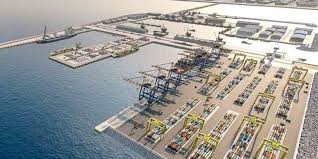
Dakhla Atlantic Port is part of a broader strategic vision for Morocco, oriented towards Africa and the South Atlantic. Designed as a state-of-the-art logistics platform, it aims to connect the Kingdom to West African markets while strengthening the economic foothold of the Southern provinces. On paper, the project ticks all the boxes for a future infrastructure.
Its location is both its primary strength and its main challenge. Situated at the gateway to Sub-Saharan Africa, the port aspires to become a major transit point for commercial, energy, and fishing exchanges. It complements Tangier Med, not as a direct competitor, but as a strategic relay towards the southern continent.
However, the success of the project hinges on a complex logistical equation. A port does not operate in isolation. It relies on a dynamic hinterland, efficient road and rail networks, and most importantly, an economic fabric capable of generating regular flows. The Dakhla region is still in the process of industrial structuring, raising questions about the actual pace of the port's development.
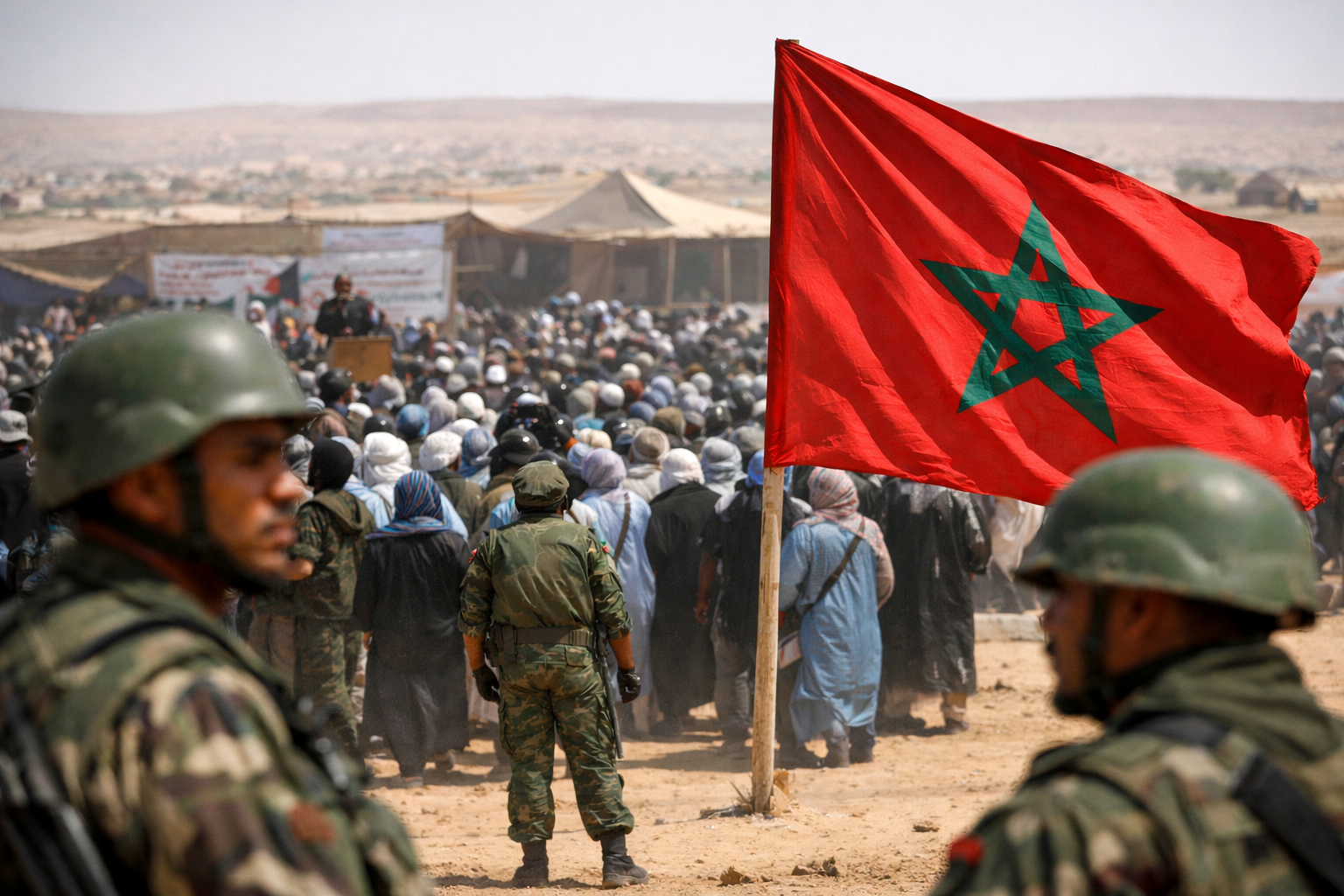
The geopolitical aspect is inseparable from the project. Dakhla Atlantic Port also serves as a significant political marker, aimed at consolidating Moroccan presence on the African Atlantic and enhancing South-South partnerships. This strategic dimension gives the project a high symbolic value, but it also exposes the infrastructure to expectations that are sometimes disconnected from its immediate profitability.
Economically, the investments involved are substantial. Medium and long-term profitability will depend on the port's ability to attract shipping companies, logistics operators, and industrial players in an already competitive environment along the Atlantic coast. Without a solid economic model and clear incentives, the risk of initial underutilization cannot be ruled out.
Dakhla Atlantic Port also raises broader questions about Morocco’s infrastructure strategy. The Kingdom is betting on large-scale projects to position itself as a regional hub, sometimes at the cost of significant financial and logistical wagers. The success of Dakhla will therefore be scrutinized as a test of coherence between geostrategic vision and economic realities.
In the long term, the port could become a catalyst for transformation in southern Morocco and a major entry point into West Africa. However, without careful synchronization between infrastructure, private investment, and regional integration, it risks remaining an ambitious showcase, more strategic than truly operational in its early years.