An Unprecedented Technological Revolution
Since the explosion of generative artificial intelligence models, the world has witnessed a dizzying acceleration of innovation.
Systems capable of writing, coding, diagnosing, or even making decisions are becoming commonplace.
But this advancement raises a fundamental question: how far are we willing to let machines decide for us?
The economic promises are immense—productivity gains, automation, new jobs—but they come with a social and moral cost that is difficult to measure.

The Challenge of Transparency
Tech companies are developing increasingly powerful models, often opaque.
The lack of transparency in the data used or biases embedded in algorithms creates a new form of injustice: automatic decisions that can influence human lives—whether in recruitment, credit, or judicial verdicts.
Several institutions, such as the European Union and UNESCO, advocate for responsibility charters and independent oversight of AI systems.
Between Innovation and Oversight
Major powers are adopting divergent strategies:
-
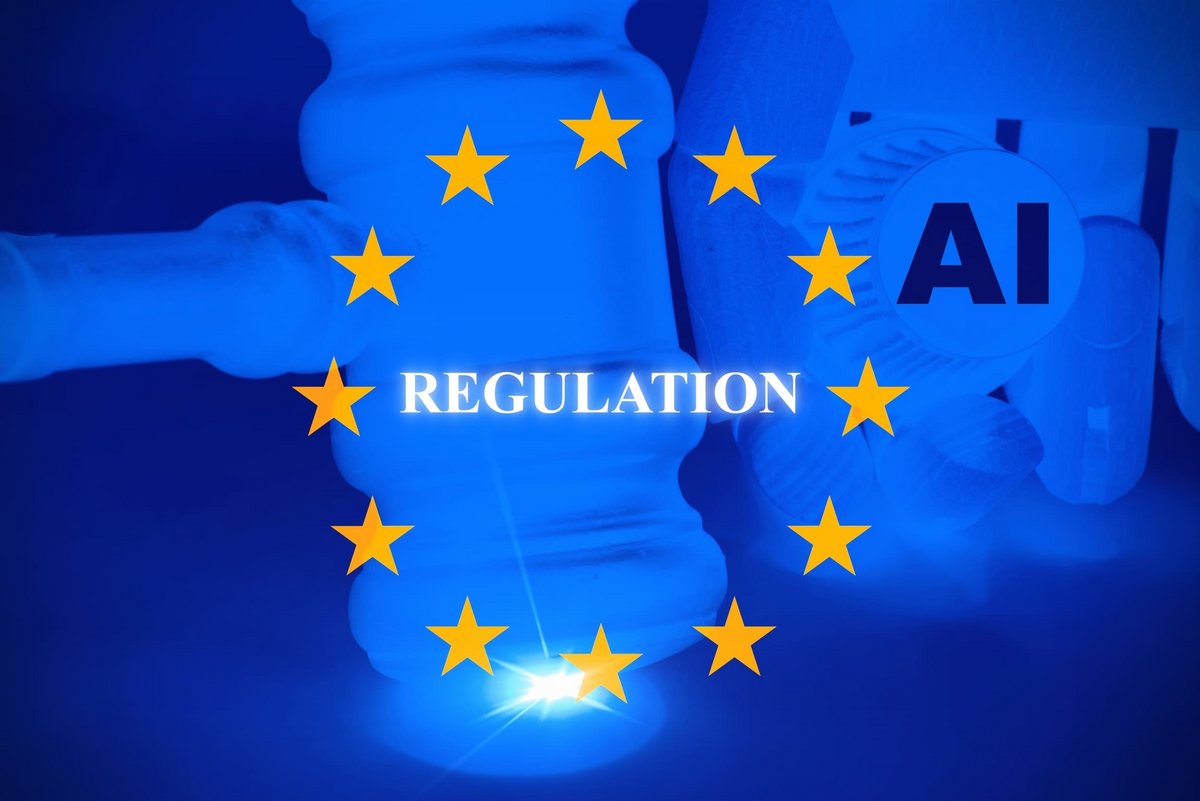
The European Union has finalized its AI Act, the first global framework that categorizes AI uses according to their risk levels.
-
The United States favors a more flexible approach, promoting private research.
-
China is developing state-regulated AI, integrated into its surveillance policies.
This regulatory battle is already shaping the geopolitical landscape of global AI, where ethics becomes a tool of influence.
And what about Morocco?
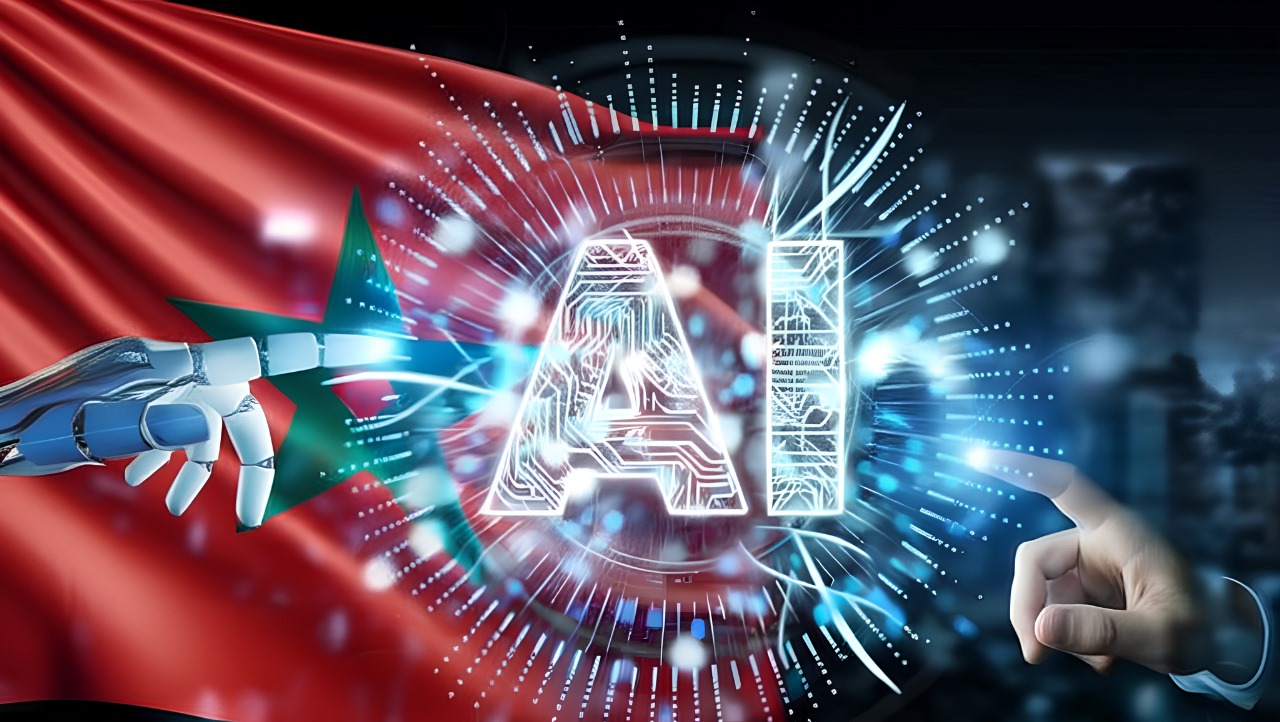
Morocco is cautiously observing these developments while gradually engaging in digital transformation.
Public and private initiatives are emerging: AI training projects, university laboratories, startups specializing in data.
However, ethical issues still need to be clearly defined: framing usage, data protection, and respect for privacy.
The country has the opportunity to build a responsible African AI model, based on transparency and international cooperation.
Towards a More Human-Centric Artificial Intelligence
By 2026, the question will no longer be only what AI can do, but what it should do.
In the face of the temptation for full automation, ethical vigilance must serve as an essential safeguard to preserve human dignity and freedom.
Technology can serve humanity, provided that humanity remains at the center of decision-making.