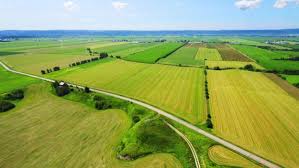
Africa holds nearly 60% of the planet's uncultivated arable land. This wealth, far from being a blessing, has attracted a true global rush in recent years. States, sovereign funds, and multinational companies are seeking to secure their food or energy supply, often at the expense of the sovereignty of African countries.
Since the 2010s, large-scale land acquisitions have increased. Countries like China, India, Qatar, and the United Arab Emirates have massively invested in agricultural operations in Ethiopia, Sudan, Mozambique, and Senegal. These contracts, sometimes lasting 50 to 99 years, concern millions of hectares.
The dual aim is to produce for export and to ensure control over vital resources at a time when global food crises are multiplying. But these investments have raised many criticisms. In several regions, local populations are being displaced without real compensation, lands are becoming inaccessible to small farmers, and profits often evade local economies.
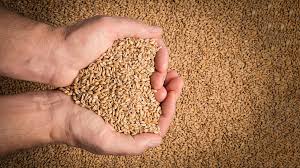
The phenomenon has escalated to the point that it threatens the food security of the continent. While Africa still imports over 80% of its wheat, it paradoxically relinquishes fertile land to foreign actors. This contradiction illustrates the continent's structural dependence on the globalization of resources.
NGOs also denounce the environmental impacts of these practices: deforestation, soil overexploitation, pollution of water tables, and depletion of water resources. In the long term, these projects risk exacerbating the ecological and social vulnerability of the affected areas.
Some African states, aware of the danger, are now trying to respond. Rwanda and Ghana have established legal frameworks to govern agricultural investments. Morocco, meanwhile, is pursuing a different model: attracting foreign capital while retaining control over its resources through regulated public-private partnerships and a sustainable agricultural policy (Green Morocco Plan, then Generation Green 2020-2030).
The land issue in Africa thus transcends simple agriculture. It becomes a matter of sovereignty, power, and future. The continent is playing a crucial role here: that of its food independence in a world seeking resources.