The Bai‘a holds a unique place in Morocco's political history. A practice that predates the modern state, it refers to a pact of allegiance established between communities—tribes, cities, scholarly elites—and the sovereign. Within the Moroccan context, this ritual has gradually transcended its original role to become one of the most visible markers of dynastic continuity and institutional stability.
Historically, the Bai‘a is seen as a reciprocal contract. Subjects acknowledge the legitimacy of the sovereign, his authority, and his ability to protect the community. In return, the holder of power commits to ensuring justice, security, and cohesion within the territory. This model of political pact, reinterpreted over the centuries by successive dynasties, has contributed to the construction of a centralized Moroccan state, capable of maintaining unity despite the diversity of regions and social structures.
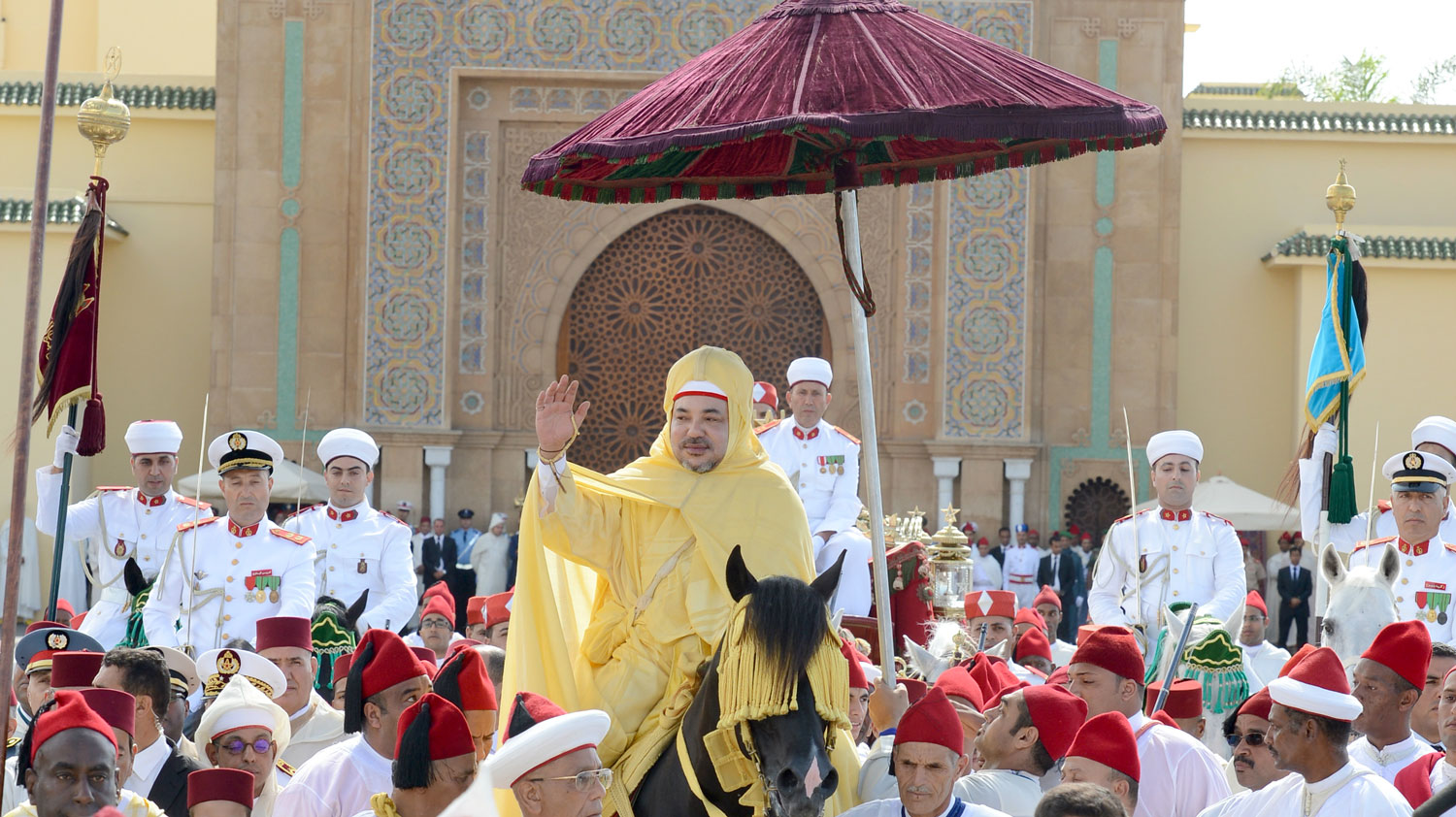
With the advent of the contemporary monarchy, the Bai‘a has been integrated into a modern institutional framework. It is now governed by legal texts, official procedures, and a precise codification. Each accession to the throne is marked by a formal ceremony where representatives of the nation—institutions, elected officials, notables, and organized bodies—publicly renew their allegiance. This highly ritualized moment symbolizes the continuity of the state and the orderly transmission of royal responsibilities.
Beyond its protocol dimension, the Bai‘a carries significant symbolic weight. It expresses a historical bond that transcends political circumstances and is embedded in the long term. In a regional context often marked by instability, this continuity is frequently highlighted as a factor of institutional resilience. The annual ceremony commemorated during the Throne Festival fits into this logic of symbolic reaffirmation of reciprocal commitments.
In contemporary political life, the Bai‘a also serves as an identity and cultural marker. It reminds us that the Moroccan monarchy combines modern elements—constitution, institutions, legal mechanisms—with traditions that still structure the collective imagination. This articulation between heritage and modernity helps define the Moroccan political model, often regarded as unique in the Arab world.
Thus, the Bai‘a cannot be reduced to a mere protocol act or as a simple relic of the past. It represents a historical device adapted to the functioning of the modern state, a stage for institutional legitimization, and a lasting symbol of the bond between the King and the Moroccan people.