A concentrated weather shock, typical of flash floods
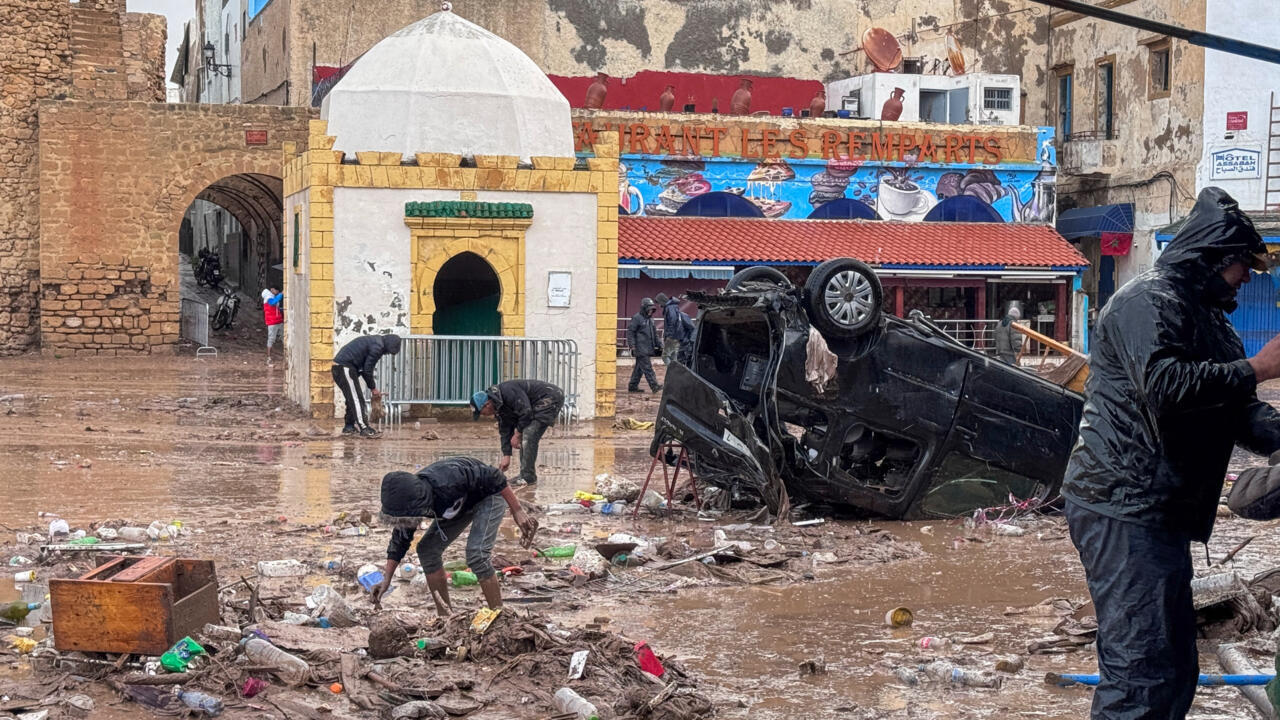
What occurred in Safi fits the classic scenario of sudden floods: intense, highly localized rainfall that falls within a short period and immediately exceeds the absorption capacity of the soil and drainage systems. Explanations from the Directorate General of Meteorology describe an unstable atmospheric situation, conducive to the formation of storm cells that can 'descend' on a specific area and then move, leaving entire neighborhoods under sudden runoff. In Safi, about 19 mm of rain fell in one hour (between 3 PM and 4 PM), accumulating around 35 mm over six hours, with a total of about 46 mm in 24 hours according to reports relayed by the press.
This kind of configuration is perilous in urban areas: water no longer infiltrates, it accelerates. The road becomes a channel, low points turn into basins, and the flooding does not occur gradually as in a 'predictable' river rise. It surges, traps, and sweeps away.
Why the Water Spread So Quickly
The rain alone does not explain everything. The extent of the tragedy relates to the speed of water flow concentration. When roads, neighborhoods, or activity zones are located along natural runoff trajectories, even a small overflow or slowdown in drainage can multiply the damage. In several field reports, runoff was said to have carried mud and debris, mechanically exacerbating blockages and accelerating the loading of drains.
The operations launched after the episode, particularly the intensive cleaning of the sewage network reported by media, clearly indicate that the issue of capacity and maintenance of networks is at the forefront of immediate concerns.
The Urban Factor: When Vulnerability Turns a Violent Incident into a Disaster
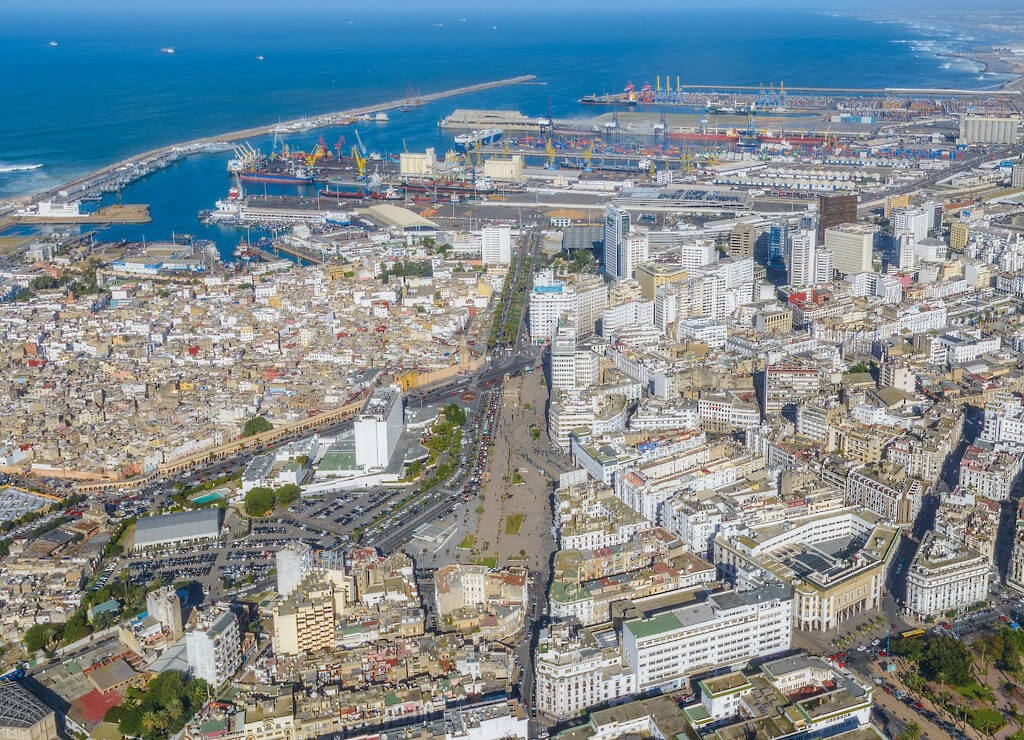
In a flash flood, the difference between 'flood' and 'disaster' often hinges on vulnerability: where construction occurs, how water flows, and whether infrastructure is sized and maintained for extremes. Recent analyses point to a combination of possible factors: poorly protected low points, uncontrolled runoff pathways, occupation of exposed areas, and failures in stormwater management.
In other words, the weather hazard was the trigger, but the territory can amplify the impact. If neighborhoods are structurally exposed and evacuation does not keep pace, the rain becomes a ruthless 'stress test.'
A Judicial Investigation: A Shift Towards Accountability
The Attorney General of the King at the Court of Appeal in Safi has ordered the opening of a judicial inquiry to determine the real causes of the tragedy. This decision comes as local authorities have reported a human toll of 37 deaths by various media outlets, and as the health situation appears to stabilize with the gradual release of injured patients from the hospital, while the extent of material damage becomes clearer.
The challenge of the investigation will be to separate what pertains to an extreme event that is difficult to avoid from what may point to deficiencies: maintenance, insufficient infrastructure, non-compliant developments, urban planning decisions, or a lack of risk reduction measures in certain areas.
What Safi Reveals, Beyond Safi
The episode is part of a larger sequence of adverse weather events that have affected several regions of Morocco, with extreme rainfall variability depending on the regions, characteristic of the unstable situations described by meteorology.
Safi thus becomes an emblematic case: the weather 'cuts' locally, strikes hard, and cities pay the price for their vulnerabilities. The question is no longer just about predicting the storm but about reducing urban vulnerability to increasingly disruptive short, intense episodes.