A shipping giant testing stability
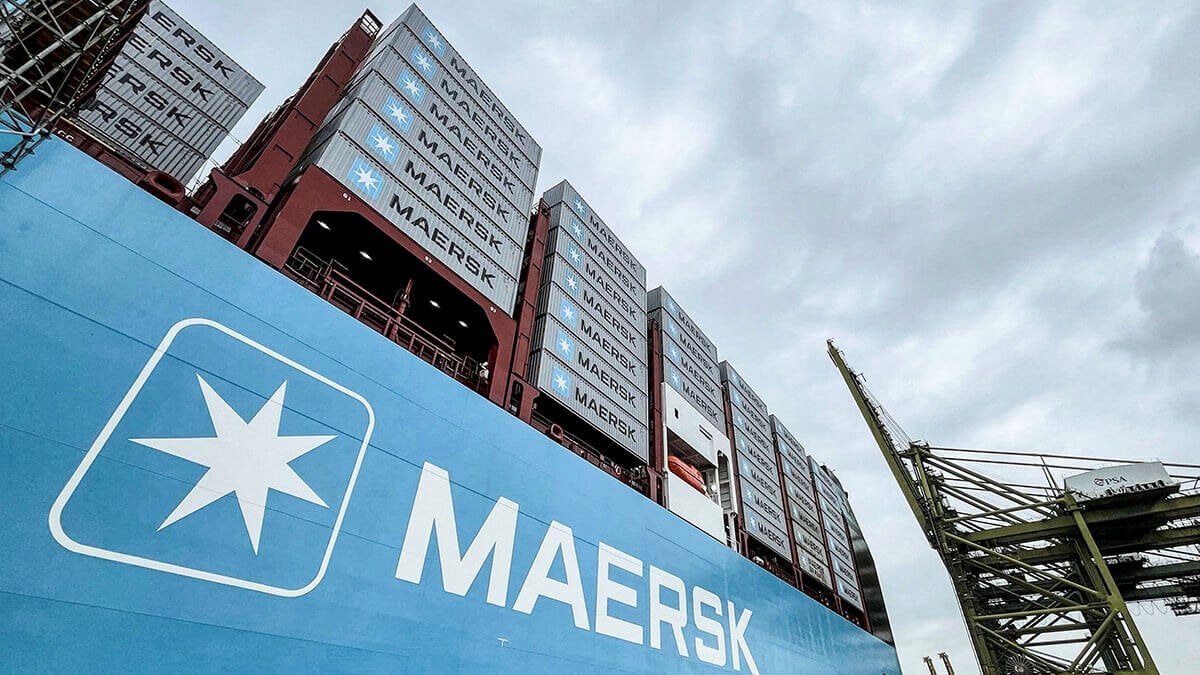
Maersk, the second largest shipping carrier in the world, had been one of the most affected by the attacks on vessels operating in the Red Sea. These tensions forced most international carriers to reroute around Africa via the Cape of Good Hope, extending travel times by 10 to 15 days and significantly increasing logistics costs.
The announcement of a gradual return to the maritime corridor marks a notable change: the group believes that security conditions have slightly improved to allow for a cautious and controlled rebound.
An encouraging signal for global trade
The Red Sea–Suez route accounts for nearly 12% of global trade and about 30% of Asia–Europe container traffic.
Maersk's return could thus help stabilize delivery times, freight prices, and the fluidity of supply chains.
The electronics, automotive, textile, and agri-food sectors are expected to particularly benefit from this gradual normalization.
A cautious return in an already fragile context
Maersk emphasizes one factor: the return is gradual, under scrutiny, and can be suspended at the slightest resurgence of attacks on vessels.
Security in the waters near Yemen remains fragile, and several companies continue to impose risk surcharges on cargo transiting through the area.
Towards a reconfiguration of maritime logistics?
If the region achieves lasting stability, the shipping industry could revert to its traditional routes, ending the surcharges and delays that have emerged over the past two years.
However, analysts remind us that this episode has profoundly altered sector strategies, with increased investment in route diversification, insurance, and onboard security measures.