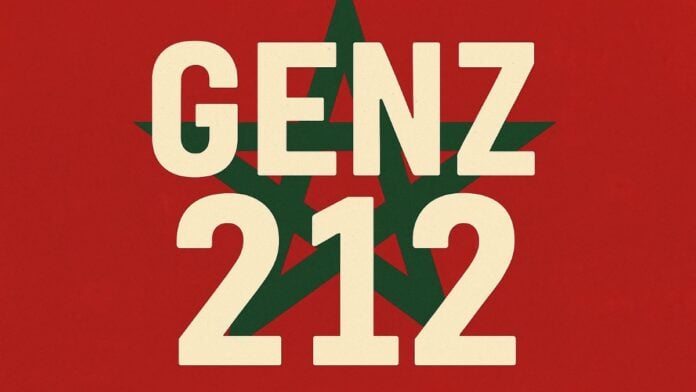
Socio-political Context of Morocco
Morocco has experienced significant political transformations over the past few decades, especially following the Arab Spring of 2011. Although reforms have been implemented, the on-the-ground reality remains complex, with persistent social tensions and a political climate often seen as restrictive.
Expectations of Generation Z
Generation Z, composed of young people born from the late 1990s to the early 2010s, aspires for radical change. Educated and connected, these young individuals demand fundamental rights, a better quality of life, and professional opportunities. Their expectations extend beyond mere political promises; they seek genuine commitment to a better future.
An Assessment of Promises of Freedom and Justice
The promises made during the political reforms of 2011, such as freedom of expression and equality of rights, have not been fully realized. Young people see a gap between official rhetoric and the reality experienced in daily life. Protests, although suppressed, reflect a growing frustration with this situation.
Current Challenges: Unemployment and Precarity
Unemployment, especially among youth, remains one of the primary challenges in Morocco. According to recent studies, the unemployment rate among young people has reached alarming levels, exacerbating precarity and disillusionment. This situation leads many young individuals to consider emigration as a solution to their economic distress.
Voices of Youth: Testimonials and Demands
Young Moroccans express their frustrations through various channels, whether on social media or during protests. "We want concrete actions, not just promises," says Amine, a student in Casablanca. Their demands encompass various areas: education, employment, and social justice, highlighting an urgent need for change.