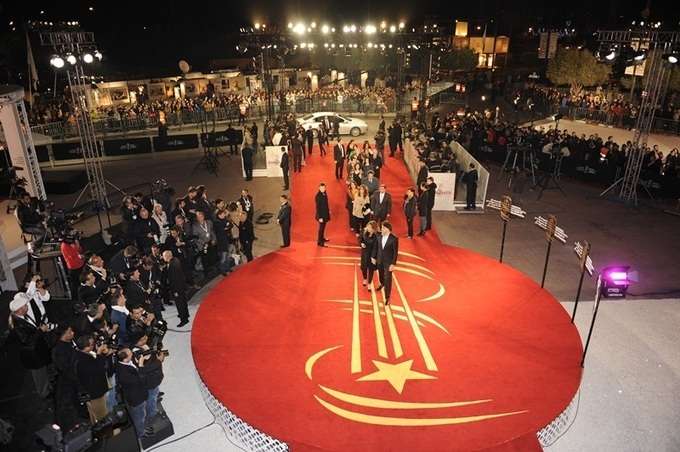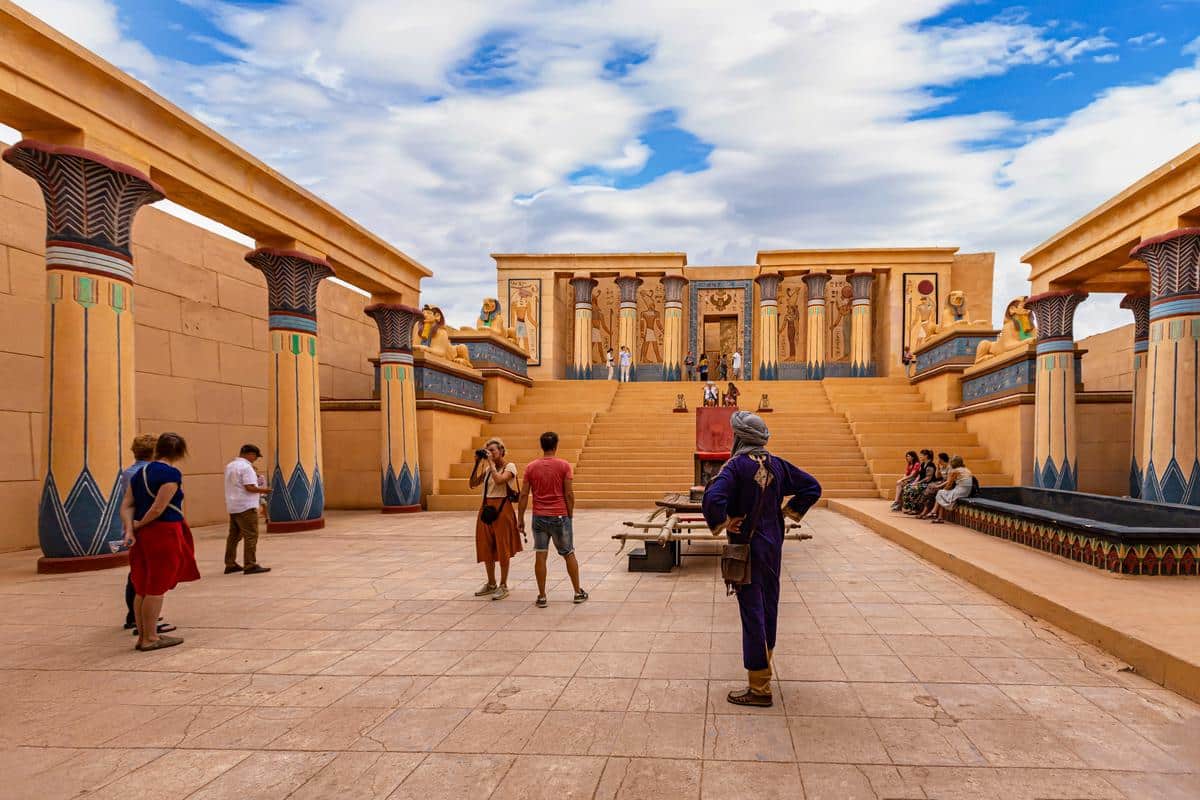
From the 'Hollywood of the Desert' toa complete creative platform, Morocco has raised its ambitions.Ouarzazateremains the showcase; Rabatand Essaouiraexpand the palette: historic cities, coastline, mountains, agricultural plains, desert — a catalog of settings available just hours away. This natural capital is backed bycentralized procedures(CCM), financial incentives, and reliable logistics.The professionalization of
technical crewshas been crucial: set designers, machinery, FX, post-production. Fewer imports of expertise mean more local jobs and knowledge transfer. Modernized studios, prop shops, and casting bases: the ecosystem shortens production times. Festivals (Marrakech, Rabat) and film commissions serve as interfaces and promotion.The benefits go beyond direct spending: hospitality, transport, crafts, image tourism. Soft power is built through narratives: each shoot adds a layer to the Morocco brand — openness, diversity, technical skill. To capitalize, the focus must shift up the value chain:
advanced post-production, VFX, animation, local IP. This is where sustainable exports are created: when Moroccan stories circulate across the globe.The next leap? Training and retainingtalent, stabilizing the rules of the game, accelerating local post-production, supporting writing and co-production. Cultural diplomacy and co-production agreements can convert settings into
high-value creative industries.SourcesMoroccan Cinematic Center (statistics, incentives)Film Commissions (Rabat, Ouarzazate, Essaouira)International Festivals (Marrakech, Rabat)
UNESCO (cultural industries)
Studies by BAD/UNCTAD (audiovisual sectors)
]}}} Please note the final entry is slightly altered to indicate each source item for consistent numbering.
BD/UNCTAD (audiovisual industries)
Cultural industries studies.
]}}} Closing sources; make sure all segments are kept intact. Overall layout is imperative.