A draw featuring 48 teams that changes the tournament dynamics
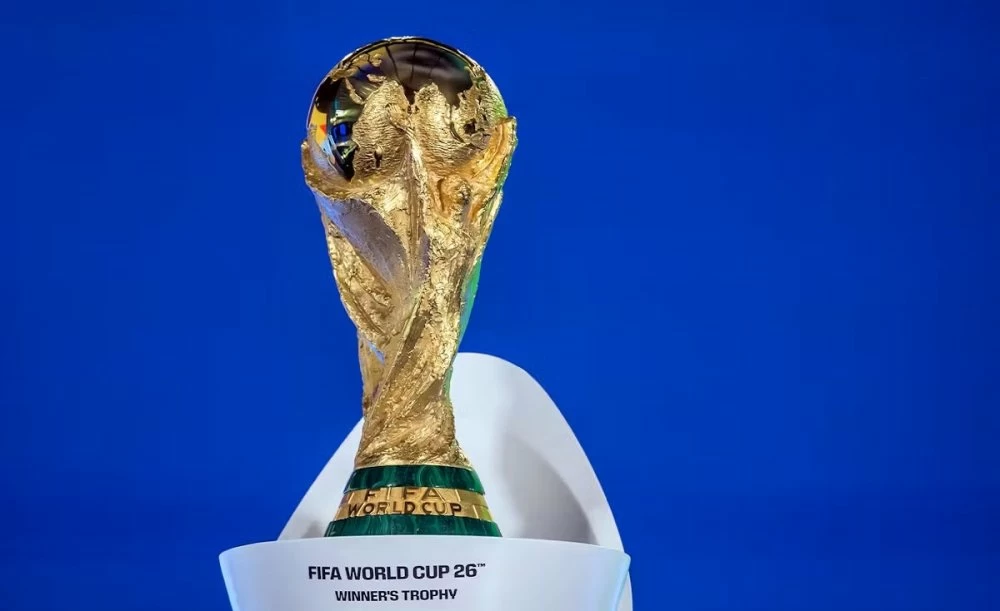
For the first time, the World Cup brings together 48 teams, divided into 12 groups of 4, a format that completely redistributes the usual balances.
Seeded teams are no longer automatically protected, travel distances are greater, and continental diversity is more pronounced, making this draw particularly unpredictable.
The top favorites — Brazil, France, Spain, Argentina, Portugal, England — face very different scenarios, ranging from manageable groups to unexpected oppositions or genuinely complex draws.
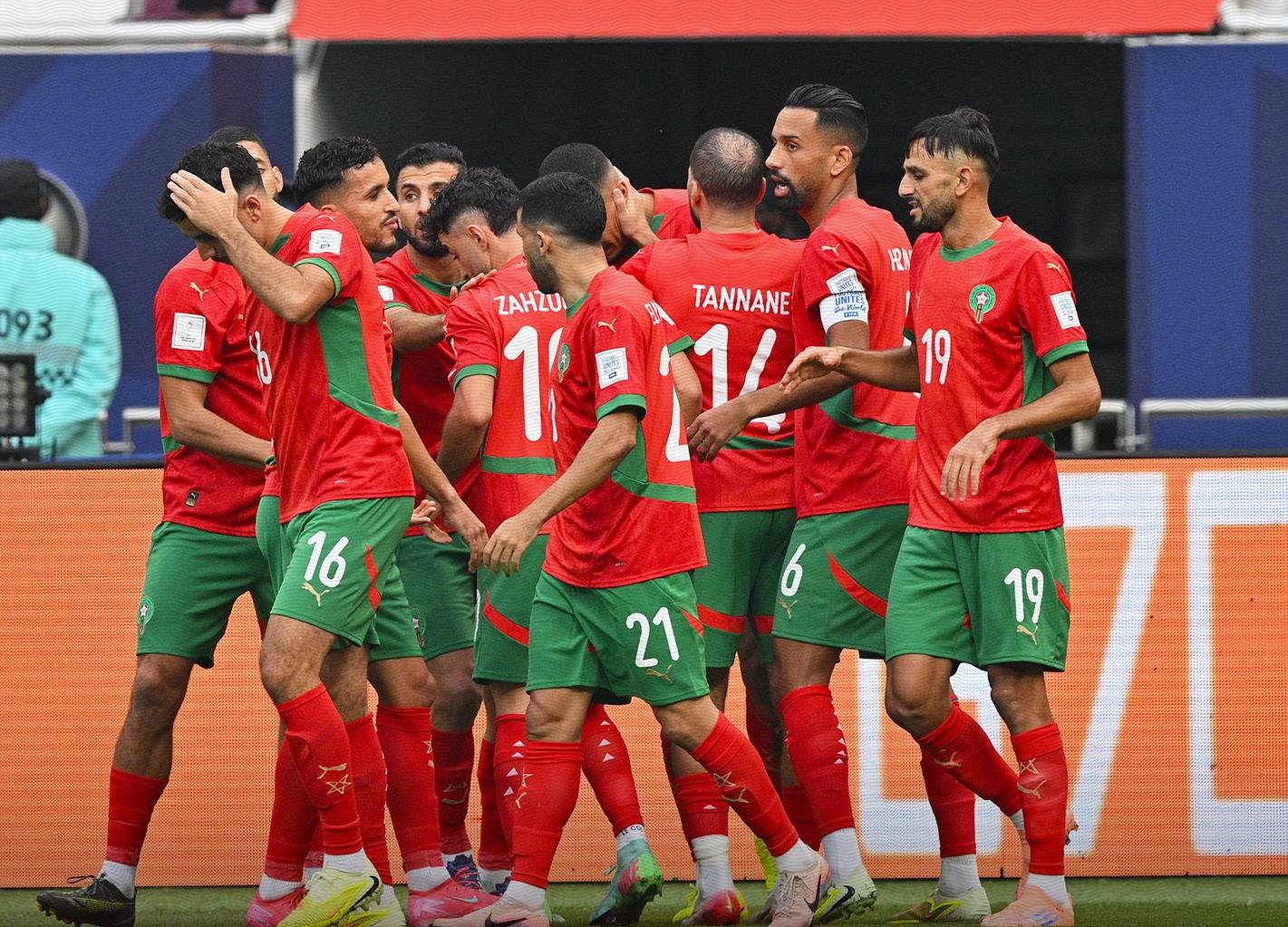
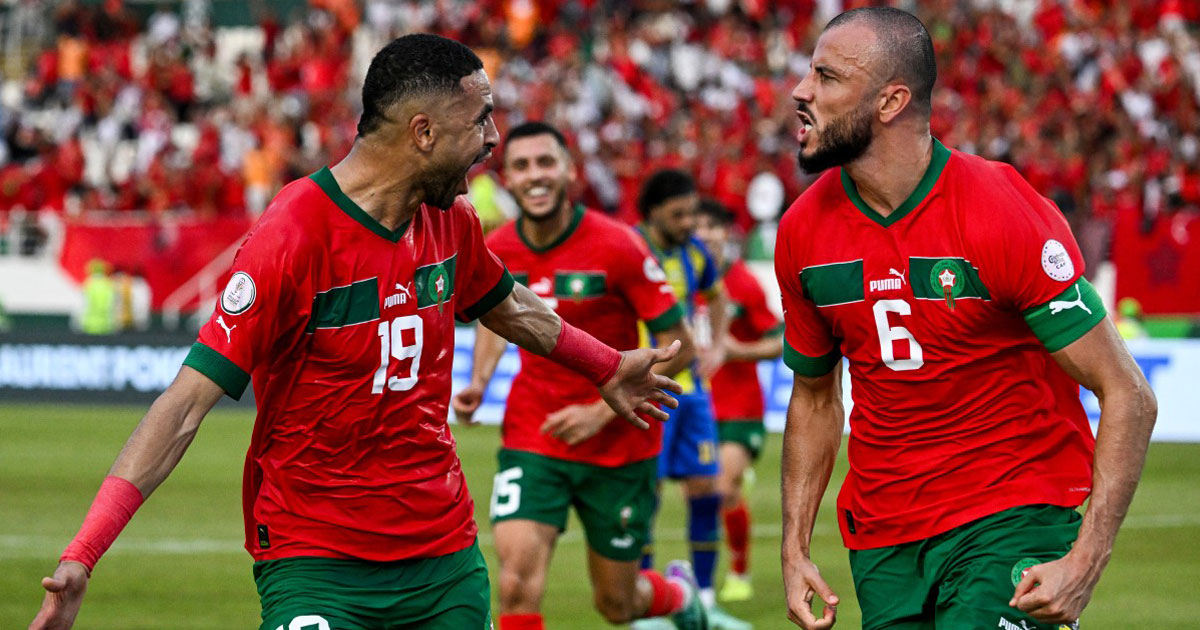
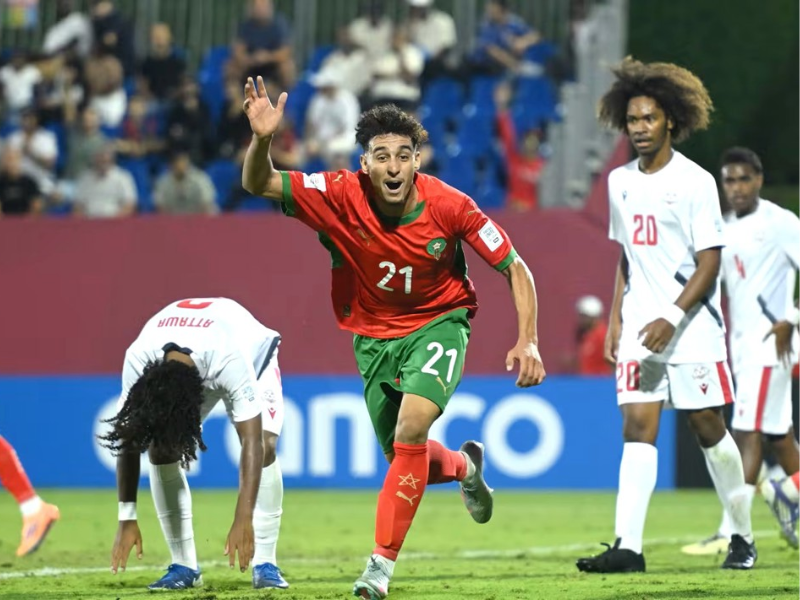
Group C: a Brazil-Morocco clash in an open pool
Morocco finds itself in one of the most closely watched groups in this draw:
🇧🇷 Brazil
🇲🇦 Morocco
🏴 Scotland
🇭🇹 Haiti
A tough group but far from insurmountable.
Brazil remains the natural favorite, while Scotland presents an intense physical challenge. Haiti's unpredictable and dynamic team could play the role of spoilers.
For Morocco, the semifinalist of the 2022 World Cup, this draw represents an opportunity to confirm its status on the world stage.
The toughest groups: several 'groups of death' emerge
Several pools stand out immediately due to their density:
Group H: Spain, Uruguay, Saudi Arabia, Cape Verde
A group without weaknesses, blending technique, intensity, and contrasting styles.
Group G: Belgium, Egypt, Iran, New Zealand
A tactical group where Belgium and Egypt seem favored, but each match could go either way.
Group J: Argentina, Algeria, Austria, Jordan
The most competitive group for an African nation, featuring a direct clash between Argentina and Algeria that already attracts attention.
Group L: England, Croatia, Ghana, Panama
European experience meets a renewed and always explosive Ghana in major tournaments.
More manageable groups: opportunities for some outsiders
Some teams drew more favorable lots:
Group A: Mexico, South Africa, South Korea, playoff team
A balanced group, without a clear giant.
Group E: Germany, Curaçao, Ivory Coast, Ecuador
Germany inherits a relatively stable draw, though Ivory Coast could disrupt the hierarchy.
Group B: Canada, Qatar, Switzerland + playoff team
A group within reach for the Swiss, in a favorable North American environment.
For African teams, a mixed draw
Africa presents a blend of favorable and daunting scenarios:
-
Morocco: a challenging group but balanced.
-
Senegal: a dense Group I featuring France, Norway, and a playoff team.
-
Algeria: a monumental test against Argentina.
-
Ivory Coast: a tactical but manageable Group E.
-
Tunisia: a complicated Group F against the Netherlands and Japan.
-
Egypt: a homogenous and open Group G.
The general impression: no African team has been truly spared, but all have a reasonable path to qualification.
A World Cup already underway before the first match
This draw confirms that the 2026 World Cup will be a pivotal tournament:
-
geographically expanded,
-
sportingly unhinged,
-
strategically complex,
-
and marked by unprecedented diversity of matchups.
For Morocco and other ambitious nations, it's time to prepare: every detail will count in a format where every point becomes precious.