Over the past decade, North Africa has seen the emergence of a new generation of entrepreneurs, engineers, and value creators who are reshaping the map of the regional economy. Morocco, Tunisia, and Egypt, in particular, are engaged in healthy competition to attract talent, investment, and technology companies. In this race for innovation, Morocco has clear ambitions: to become the indispensable technology hub of the African continent.
1. Casablanca, Rabat, and Tangier: the Pillars of Moroccan Digitalization
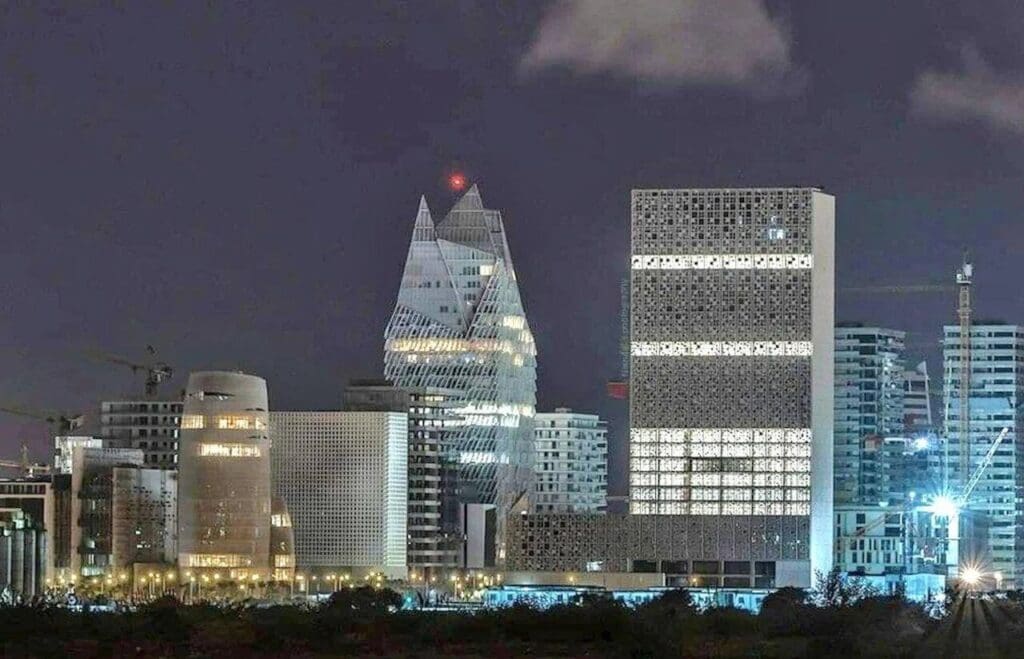
Casablanca has long been established as the economic heart of the country, but also as its technological lung. The Casablanca Finance City, a showcase of Moroccan dynamism, attracts regional headquarters of innovative companies and international incubators.
Rabat, for its part, benefits from a dense university ecosystem and a growing fabric of startups in digital education, cybersecurity, and artificial intelligence. Tangier, leveraging its port, free zone, and the Tanger Tech City, plays a key role in the industrial and logistical dimension of digitalization.
This geographical distribution creates a unique synergy: a network of connected infrastructures, supported by active public policies.
2. Ambitious Public Policies Still to be Consolidated
The “Morocco Digital 2030” plan, launched to succeed “Morocco Digital 2020,” aims to strengthen the digitization of the economy, create 240,000 direct jobs in the sector, and raise the contribution of digital to 10% of national GDP.
The priorities include: digital inclusion, youth training, administrative simplification, and public governance modernization.
However, on the ground, several industry stakeholders highlight a gap between ambitions and reality: cumbersome procedures for startups, limited funding, and insufficient coordination between public and private actors.
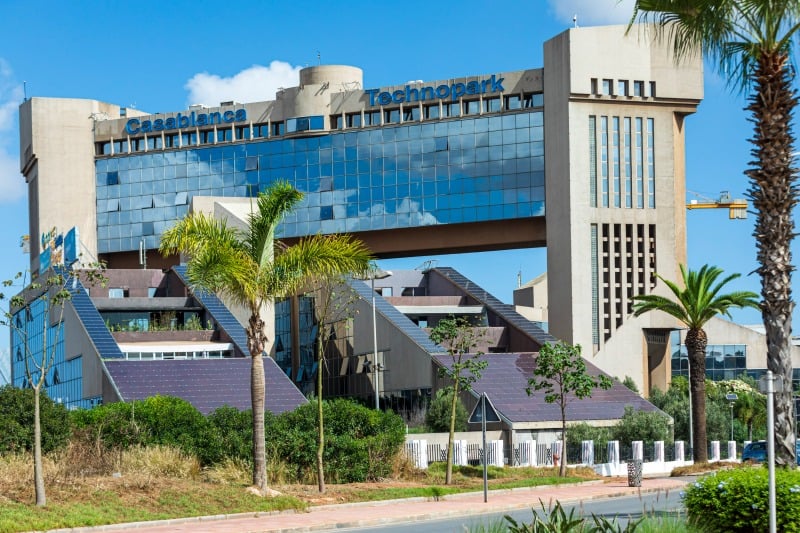
Incubators such as Technopark, StartGate (UM6P), and Maroc Numeric Cluster play an essential role, but their reach is often limited to a few major cities.
3. Training and Talent: The Core of the Matter
Morocco has a major asset: a connected and highly adaptable youth. Every year, thousands of graduates emerge from engineering schools and public or private universities, mastering cutting-edge technologies: cloud, AI, cybersecurity, data science.
However, demand still far exceeds supply. Many young talents choose to leave for abroad, attracted by higher salaries and better working conditions.
The challenge is therefore twofold: train more and retain better.
The Mohammed VI Polytechnic University (UM6P), ENSIAS, EMSI, and regional fablabs serve as high-potential innovation laboratories but require better integration with the national industrial fabric.
4. Financing and Investments: A Fragile Lever
Financing remains a major friction point. According to the report Partech Africa 2024, Morocco ranks only 6th on the continent in terms of fundraising for startups, far behind Nigeria, Kenya, or South Africa.
Local investors are often cautious, while international funds hesitate over a market perceived as still immature.
Emerging initiatives, however, such as the Azur Innovation Fund and Innov Invest Fund, support early-stage startups. But to take a leap forward, Morocco will need to encourage a more favorable tax environment and simplify foreign investment procedures.
5. A Growing Regional Cooperation
North Africa could very well become the new technological corridor connecting Europe and Sub-Saharan Africa.
Morocco plays a strategic role here thanks to its cooperation agreements with several African and European countries. Joint projects in telecommunications, fintech, and e-governance foster skill transfer and empower the private sector.
The transcontinental digital infrastructure projects — such as the undersea cables connecting Morocco to Spain and Mauritania — reinforce this geostrategic position.
With Tangier Med as a logistical gateway and Casablanca as the economic heart, the country sits at the crossroads of innovation flows between the North and the South.
6. Upcoming Challenges: Inclusion, Cybersecurity, and Sustainability
Despite these advancements, Morocco must still tackle several challenges:
-
Reduce the digital divide between urban and rural areas.
-
Strengthen cybersecurity in the face of the rapid growth of online services.
-
Ensure the energy sustainability of digitalization, as data centers consume increasing amounts of electricity.
Innovation must remain inclusive and aligned with national priorities: employment, digital sovereignty, and sustainable development.
Conclusion
Morocco is making great strides towards its ambition of becoming a regional technology hub. But for this transformation to be sustainable, it must rely on a coherent vision, strong partnerships, and a culture of innovation at all levels of society.
The coming years will be decisive: the kingdom is now playing in the league of emerging digital nations.