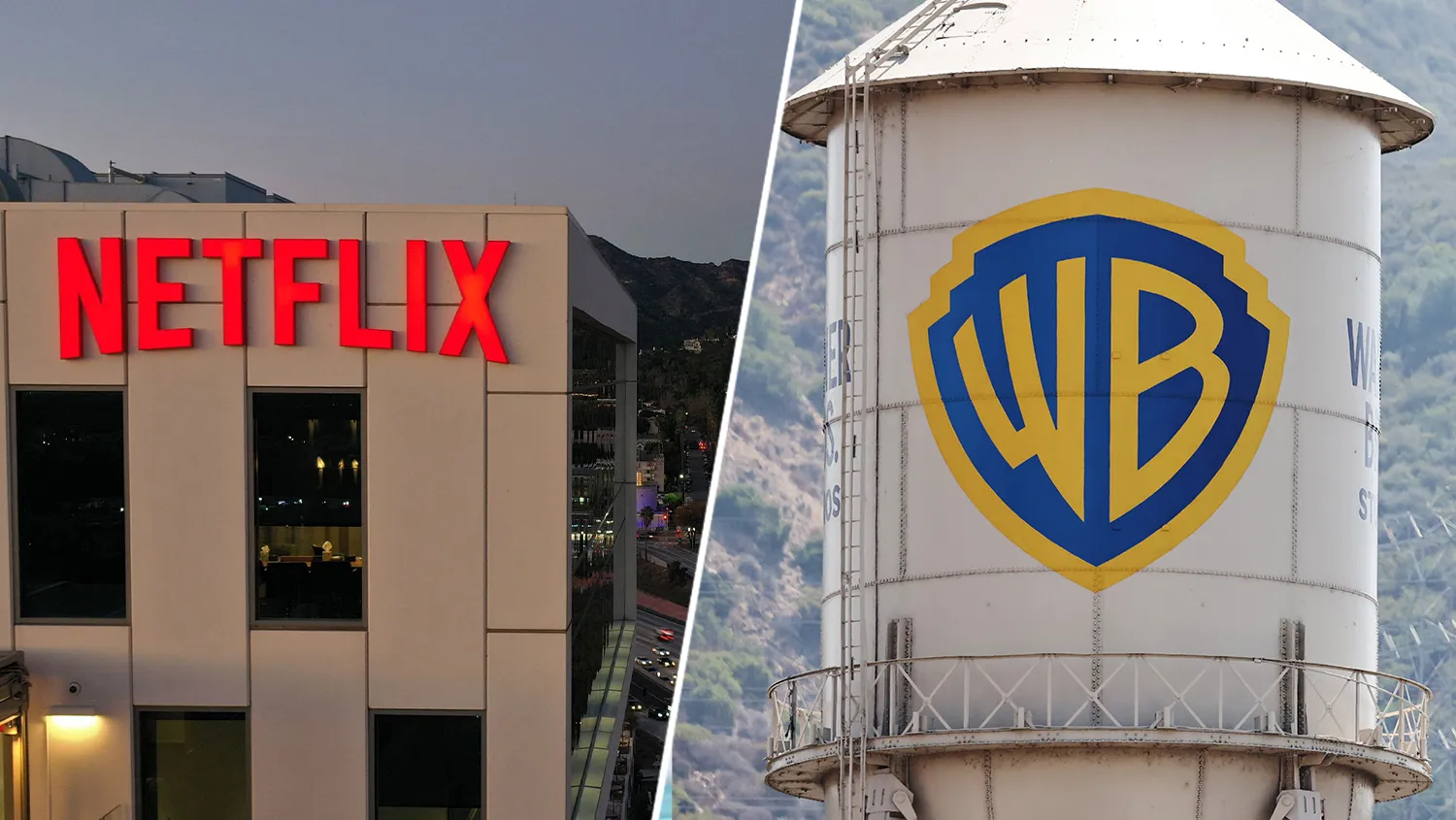
The global entertainment industry has just experienced one of its greatest upheavals. Netflix, the streaming leader for over a decade, is taking over Warner Bros, one of Hollywood's historic studios, sealing a merger that profoundly transforms the international audiovisual landscape. This operation, economic, cultural, and technological in nature, marks the end of an era where platforms merely produced content — they are now becoming owners of the founding catalogs of global popular culture.
With this acquisition, Netflix gains control over iconic franchises that have shaped generations: DC Comics, Harry Potter, Matrix, Looney Tunes, as well as the vast HBO catalog, regarded as the most prestigious in global television. This newfound power gives the platform a decisive lead in the "streaming wars," where financial tensions, audience fragmentation, and soaring costs have weakened traditional players.
Strategically, Netflix enhances its ability to retain subscribers with exclusive, unreplicable content. While historic studios have long resisted the idea of relinquishing their licenses, market evolution — falling cinema revenues, fierce competition among platforms, and difficulty in maintaining production profitability — has opened the door to previously unthinkable consolidations.
This merger also raises several questions. Regulatory authorities will need to decide on the risks of excessive concentration in a market already dominated by a few giants. Direct competitors like Disney+, Amazon Prime Video, and Apple TV+ will need to respond quickly to avoid being crushed by a platform that now controls both distribution and a significant portion of global production.
The movement finally reflects a deep reality: Hollywood is no longer just a center of creation, but a geopolitical battleground for control of global culture. By absorbing Warner Bros, Netflix becomes a full-fledged cultural empire, capable of setting the pace for the rest of the industry.