The Moroccan olive sector is emerging from a complex period, marked by drought and a notable drop in yield. However, forecasts for the 2025 campaign drastically change the outlook. Producers, cooperatives, and industry operators agree that Morocco could experience one of its best harvests of the decade.
A Harvest Declared Exceptional
Initial estimates indicate that national production could vastly exceed last year's figures. In several regions, particularly Marrakech-Safi, Fès-Meknès, and the Oriental, olive groves are showing abundant flowering. The trees, which produced significantly less last year, have benefited from a natural resting cycle, mechanically favoring a robust recovery this year.
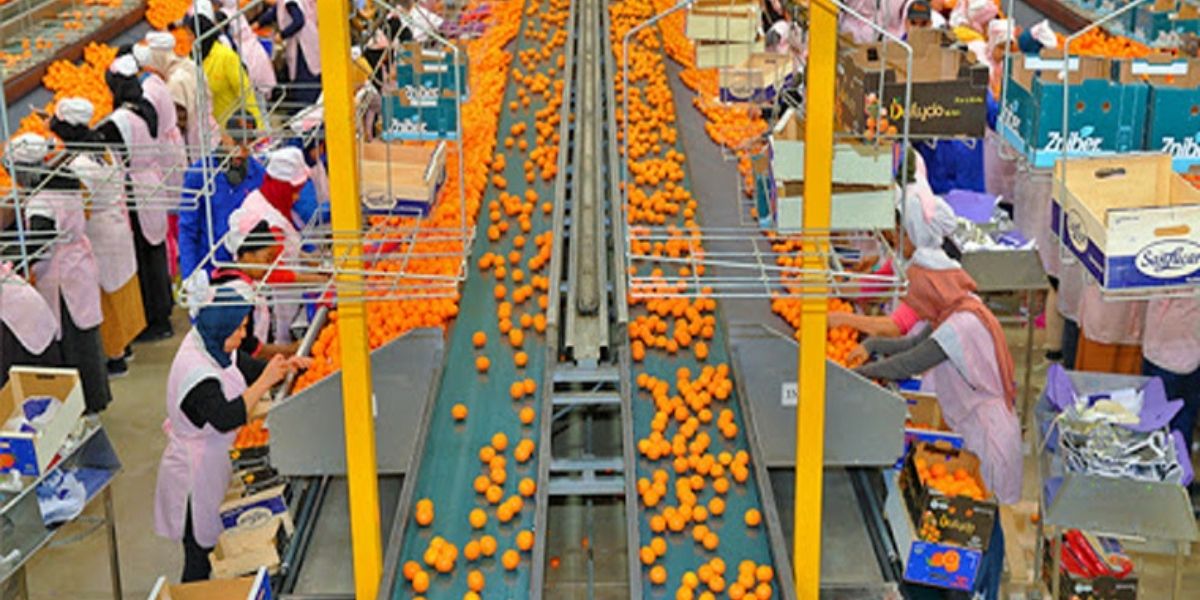
Industry observers suggest that production could approach a record level, with enough olive volumes to reactivate the entire supply chain: milling, oil processing, exporting, and bottling.
Expected Price Decrease
The most direct consequence of such abundance is a relaxation of prices. After reaching record highs last year, olive oil could return to a more reasonable level for Moroccan households. Several experts anticipate a notable decrease, linked to increased yields and greater product availability in the local market.
This decrease would be especially welcome in a context where olive oil, a central product in Moroccan homes, had become difficult for many consumers to afford.
Strengthened Export Potential
The other significant challenge concerns the international market. Morocco has the capacity to enhance its presence in the global olive oil market. With recognized quality and increasing production, Moroccan exporters could gain market share in a highly competitive sector dominated by Spain, Italy, and Tunisia.
However, this potential will depend on operators' ability to maintain high quality, ensure impeccable traceability, and invest in storage and packaging infrastructure that meets international standards.
Structural Challenges Persist
Despite this improvement, the sector is not free from major challenges. Significant production must be properly absorbed by the market to avoid a sharp drop in prices to the detriment of producers. Likewise, climatic instability remains a constant threat, reminding us that the performance of one campaign does not guarantee that of the next.
Professionals are also calling for better organization in the sector, more investment in modernizing mills, and increased emphasis on certified oil, particularly extra virgin olive oil.
Towards a Sustainable Renaissance for the Sector?
If the 2025 campaign confirms the forecasts, it could mark a turning point for Moroccan olive cultivation. The country has an opportunity not only to stabilize its domestic market but also to strengthen its position on the international stage. It remains to turn this good year into a structural momentum for the years to come.