A verdict hard to accept
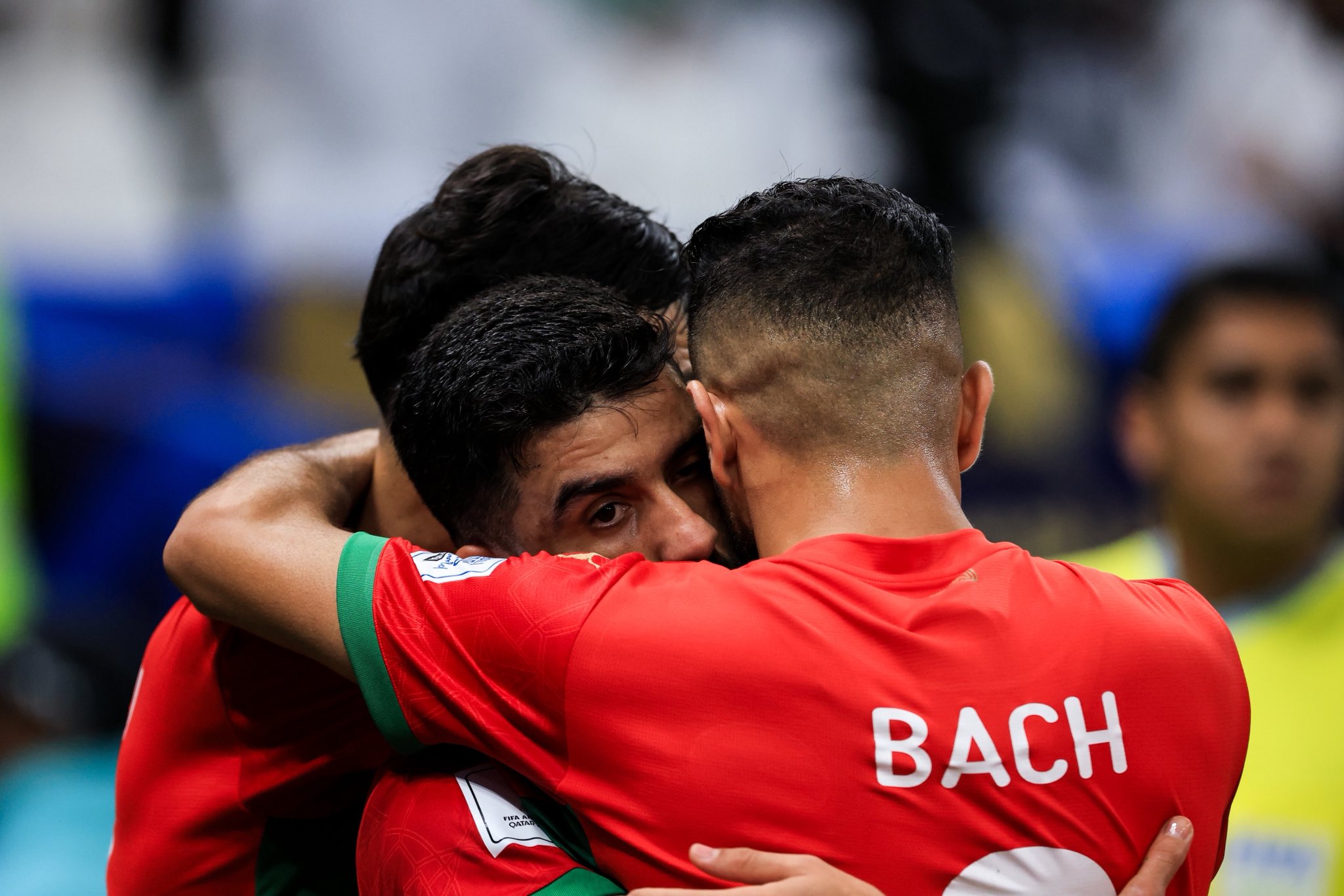
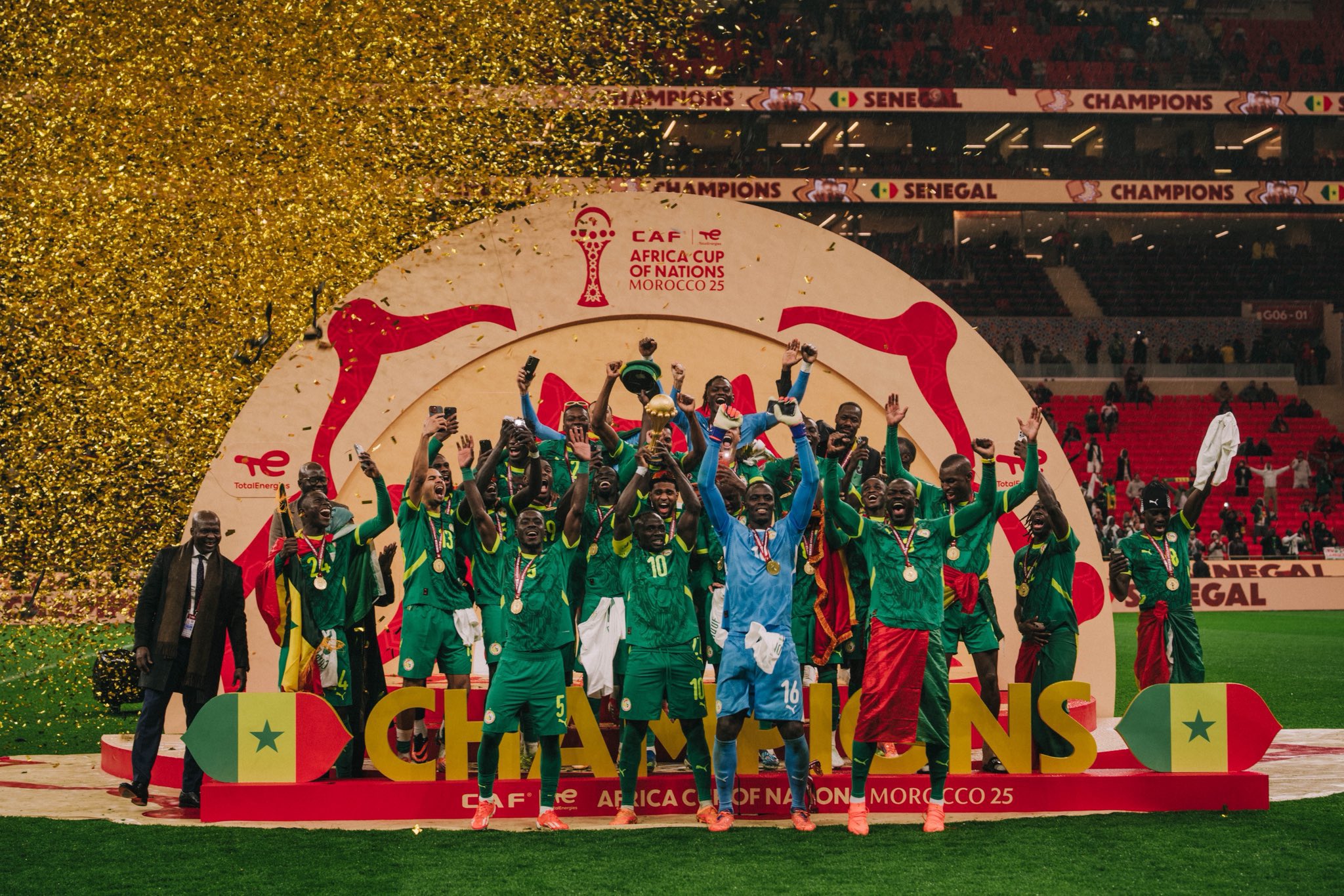
On November 24, 2026, the Court of Arbitration for Sport (CAS) reinstated Senegal as Africa's champion, according to a report by The Guardian. This decision puts an end, at this stage of sports justice, to the administrative victory granted to Morocco in March. For the supporters of the Atlas Lions, the disappointment is immense. However, it does not diminish the legitimacy of the questions raised by the Royal Moroccan Football Federation (FRMF).
Morocco chose to defend its rights through institutional channels. This approach should be distinguished from the sporting outcome: challenging a situation according to the regulations does not mean denying the performance of the opposing team or rejecting the principle of competition.
A final that still raises questions about adherence to the rules
On January 18, 2026, in Rabat, the final was interrupted after Senegalese players withdrew in protest against a penalty awarded to Morocco. The game eventually resumed, and Senegal won 1-0 after extra time. This on-field result is a fact. The withdrawal of the players and the resulting interruption are another matter.
On March 17, the CAF appeals panel ruled that the behavior of the Senegalese team fell under articles 82 and 84 of the CAN regulations. It then declared a forfeit, affirming a score of 3-0 in favor of Morocco. Thus, Morocco's position was based on an interpretation of the regulations upheld by an official competition body, rather than a mere claim from supporters.
African football must learn lessons from this affair
The CAS ruling resolves the dispute, but the institutional debate remains. Under what circumstances does a collective withdrawal constitute a forfeit? How can the authority of the referee be reconciled with the specific rules of a competition? And how can a predictable application of these provisions be ensured, regardless of the country involved?
It is up to CAF to clarify these questions so that future editions are not marked by months of uncertainty. A rule whose consequences are contested even in sports courts deserves to be made explicit. African football needs consistent procedures, reasoned decisions, and effective protection of the refereeing authority.
At the time of writing, the full text of the ruling has not been accessible. Therefore, it would be premature to attribute a precise reasoning to the CAS or to claim that its decision now allows teams to leave the field without consequences.
Morocco must look to the future, with its head held high
This setback does not undermine the work done by Moroccan football, nor the ambitions of the Kingdom. A team is not defined solely by a judicial decision, just as the credibility of a federation does not depend on a single trophy.
Defending Morocco today also means reminding that the FRMF had the right to appeal to the competent bodies and assert its interpretation of the texts. Respecting the ruling does not mean renouncing a reasoned critique of the competition's functioning.
The Atlas Lions must now aim to transform this disappointment into sporting energy. The real challenge is to continue the progress made and return stronger on the pitch. Morocco can lose a title without losing its confidence, ambition, or dignity.